8 Weeks of Epidermal Melasma Maintenance Utilizing a Barrier First Nano Needling Approach
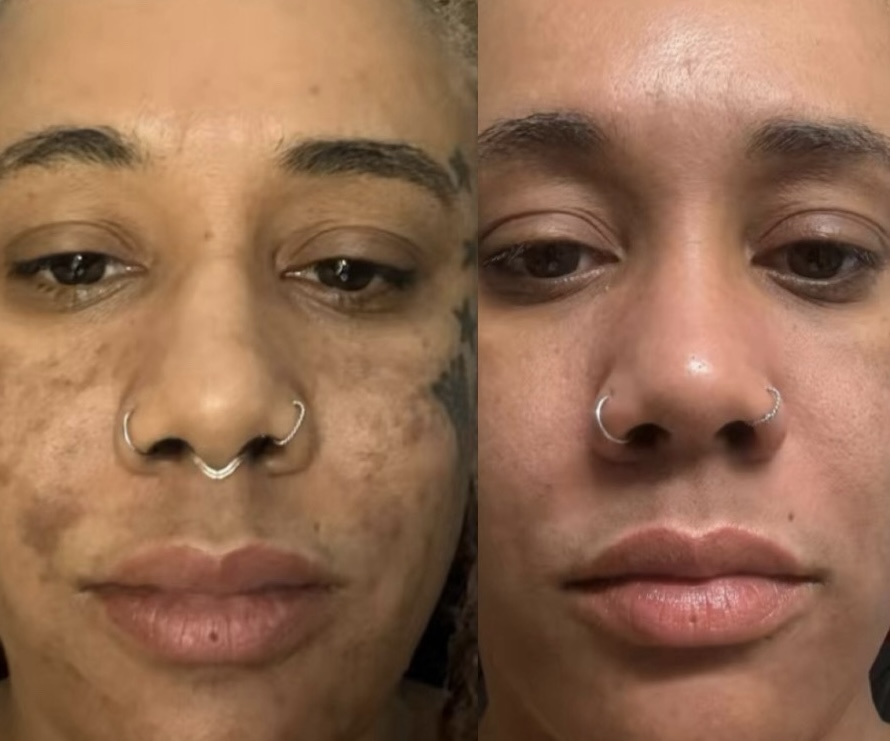
This case highlights the importance of viewing melasma as a chronic pigmentary disorder rather than simply a cosmetic pigmentation concern.
Over the course of 8 weeks, treatment focused on maintaining epidermal melasma while supporting overall skin health through a conservative, barrier first approach utilizing nano needling, targeted homecare, and trigger management.
What is epidermal melasma?
Epidermal melasma occurs when excess melanin is deposited primarily within the epidermis. While epidermal presentations often respond more favorably to treatment than deeper dermal involvement, melasma remains a chronic condition requiring ongoing management and patient education.
How do we differentiate epidermal and dermal melasma?
Clinically, epidermal melasma often presents as well defined brown patches and may demonstrate greater improvement with topical therapy and corrective treatments. Dermal melasma tends to appear more diffuse with gray, blue gray, or ash brown discoloration and is often more resistant to treatment.
A Wood’s lamp examination may also provide additional information. Epidermal melasma often appears more enhanced under Wood’s lamp, while dermal melasma typically shows little to no enhancement. However, many patients present with mixed melasma, containing both epidermal and dermal components.
Common factors known to stimulate melanocyte activity include:
• Ultraviolet radiation
• Heat exposure
• Visible light exposure
• Hormonal influences
• Genetic predisposition
• Cutaneous inflammation
• Skin barrier disruption and overexfoliation
Throughout this maintenance phase, the goal was not aggressive pigment removal. Instead, treatment focused on:
• Supporting skin barrier integrity
• Reducing inflammatory triggers
• Encouraging healthy epidermal renewal
• Minimizing unnecessary melanocyte stimulation
• Creating sustainable, long term management outcomes
This case serves as a reminder that successful melasma management often requires us to shift our focus from “removing pigment” to understanding and managing the factors driving melanocyte activity.
Because with melasma, the objective is not perfection. The objective is creating a healthier cutaneous environment where melanocytes are less likely to become overstimulated.