100 Days of Epidermal and Dermal Melasma Maintenance with Rosacea Calming
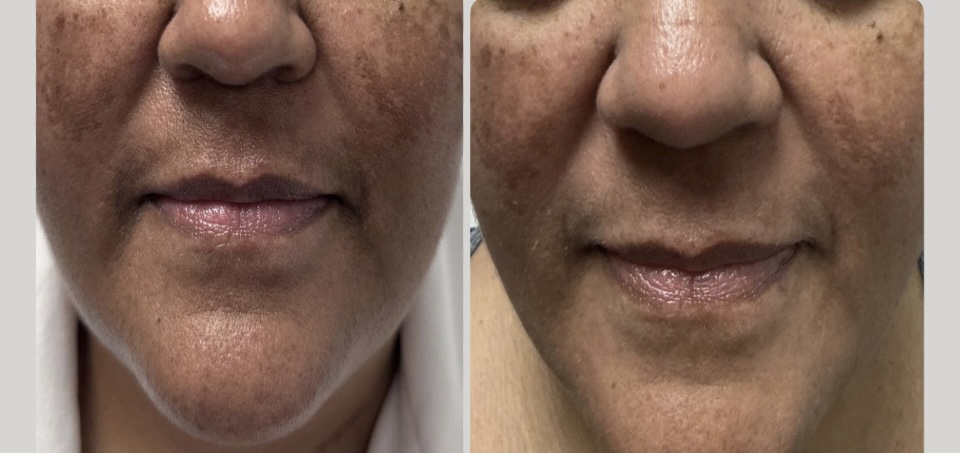
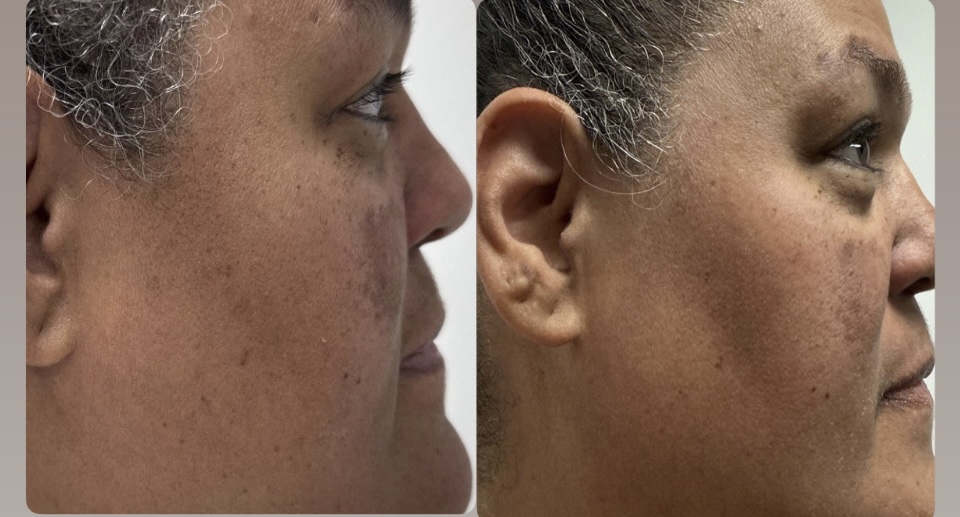
This case highlights the importance of recognizing that not all melasma behaves the same and that chronic inflammation can significantly influence pigment activity. Successful melasma management begins with understanding the depth of pigment involvement, identifying inflammatory triggers, and creating a treatment plan that supports long term skin health.
Over the course of 100 days, treatment focused on maintaining epidermal and dermal melasma while simultaneously calming rosacea through a conservative, barrier first approach emphasizing inflammation reduction, skin barrier support, trigger management, and long term maintenance.
What is the difference between epidermal and dermal melasma?
Epidermal melasma occurs when excess melanin is deposited primarily within the epidermis. Clinically, it often presents as well defined brown pigmentation and may respond more favorably to topical therapy and corrective treatments.
Dermal melasma occurs when pigment is deposited deeper within the dermis. It often presents with gray, blue gray, or ash brown discoloration and is generally more resistant to treatment due to its depth.
Many patients present with mixed melasma, meaning both epidermal and dermal pigment are present simultaneously.
How can we differentiate epidermal and dermal melasma?
Clinical assessment and Wood’s lamp examination can provide valuable information.
• Epidermal melasma often appears more brown and well defined and typically demonstrates enhancement under Wood’s lamp examination.
• Dermal melasma often appears more diffuse, gray or blue gray, and usually demonstrates little to no enhancement under Wood’s lamp examination.
• Mixed melasma demonstrates characteristics of both epidermal and dermal involvement.
What is rosacea?
Rosacea is a chronic inflammatory skin condition characterized by persistent erythema, flushing, increased sensitivity, and episodes of inflammation. Because inflammation is a known stimulant of melanocyte activity, managing rosacea can play an important role in supporting long term melasma outcomes.
Common factors known to stimulate melanocyte activity include:
• Ultraviolet radiation
• Heat exposure
• Visible light exposure
• Hormonal influences
• Genetic predisposition
• Cutaneous inflammation
• Skin barrier disruption and overexfoliation
Throughout this 100 day maintenance phase, treatment goals focused on:
• Supporting skin barrier integrity
• Reducing inflammatory triggers
• Calming rosacea associated inflammation
• Minimizing melanocyte overstimulation
• Encouraging healthy skin function
• Maintaining improvements while respecting the chronic nature of melasma
• Creating sustainable, long term management outcomes
This case serves as an important reminder that successful melasma management often requires treating more than pigment alone. By supporting barrier health, reducing inflammation, and understanding the depth of pigment involvement, we can create an environment where melanocytes are less likely to remain overstimulated.
Because in melasma management, the goal is not to chase pigment. The goal is to understand what is driving it.