Fat Banking: Why It’s Emerging and Why Professionals Should Pay Attention
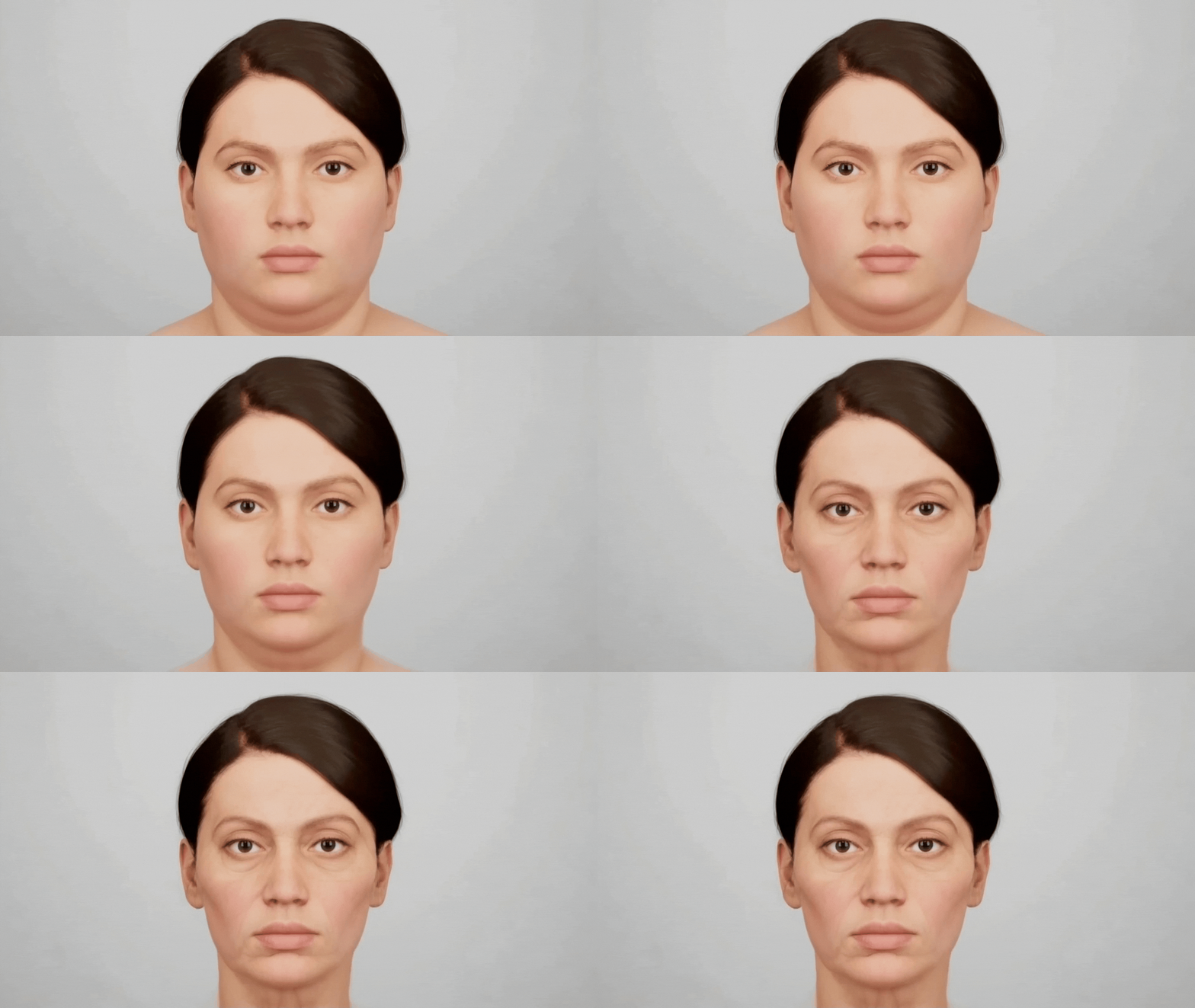
As GLP-1–assisted weight loss continues to reshape aesthetic goals, a concept called fat banking is gaining traction across the industry.
Interest in fat-based solutions is growing alongside increased awareness of post-weight-loss volume loss and tissue change. Rather than addressing these effects after they occur, fat banking introduces a more anticipatory approach.
What Is Fat Banking?
Fat banking refers to the intentional preservation of a patient’s own adipose tissue for future aesthetic use. In most cases, this involves harvesting fat before significant weight loss and storing it so it can later be used to restore volume in areas affected by weight loss, such as the face, breasts, or body.
At its core, fat banking treats adipose tissue not as something to eliminate, but as a biologic resource that can be preserved and reused.
Why Is It Gaining Momentum Now?
Several shifts are converging:
GLP-1 weight loss is accelerating volume loss, often faster than the skin can adapt
Patients are seeking natural alternatives to synthetic fillers
Regenerative and tissue-based approaches are becoming more trusted
Aesthetic planning is becoming more long-term and preventative, rather than reactive
Together, these factors are reframing fat as valuable structural tissue, not expendable excess.
Why This Matters for Skin Professionals
Even though fat banking itself sits primarily in the surgical space, its implications extend directly into the treatment room.
For skin professionals, this trend underscores that:
Volume loss is not just aesthetic, it affects skin behavior, laxity, and barrier function
Clients undergoing weight loss may need earlier intervention and education, not just corrective treatments later
Demand is shifting toward biologically aligned solutions that respect tissue integrity
Professionals who understand tissue change will be better equipped to guide expectations and treatment planning
As concepts like fat banking become more visible, clients may arrive with questions about volume, “hollowness,” and long-term outcomes. Being able to contextualize these changes, without overpromising or oversimplifying, will be key.
The Bigger Picture
Fat banking reflects a broader movement in aesthetics: a shift from replacement toward preservation, and from trend-driven solutions toward tissue-informed care.
Understanding this shift helps professionals stay ahead, not by adopting every new technique, but by recognizing how evolving patient needs are reshaping the conversation around skin, volume, and longevity.