Why Repair Is the New Results | The Barrier First Approach to Skin Health
The skin health industry is experiencing a shift. For years, visible results were often associated with stronger treatments, more active ingredients, and faster correction. Today, professional skin therapists are redefining what real results look like, and it all starts with the skin barrier.
A New Era of Skin Health
For many years, the focus of professional skincare was correction. Clients sought solutions for ageing, pigmentation, acne, and sensitivity, often expecting rapid transformation through advanced treatments and high-performance actives. While corrective treatments continue to play an important role, many therapists are noticing a growing challenge in clinic. Skin that is increasingly sensitised, inflamed, and struggling to function optimally.
As a result, there has been a significant shift in the way we approach skin health. More therapists are prioritising resilience, recovery, and barrier function as the foundation for long-term skin success.
The Importance of the Skin Barrier
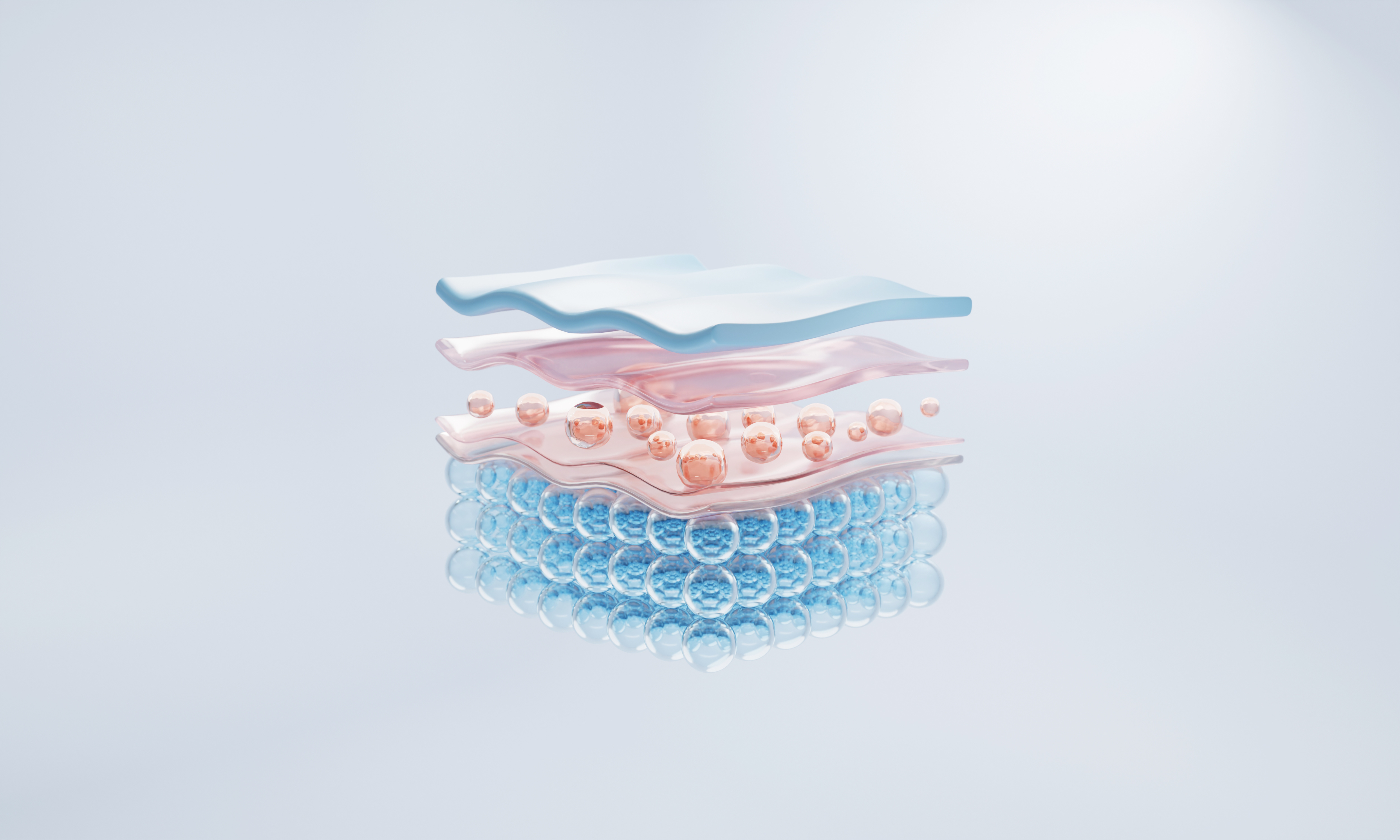
The skin barrier is our first line of defence. Often described as a "brick and mortar" structure, it works to retain moisture while protecting the skin from environmental aggressors, irritants, and pathogens.
When the barrier is healthy, the skin can:
Maintain hydration, defend itself against external stressors, recover more efficiently, tolerate active ingredients more effectively and most importantly… function at its best!
When barrier function becomes compromised, the effects can be widespread and take a real toll on the health of the skin, yes! But also, really affect how our clients feel about their skin.
Common signs of barrier disruption include:
Sensitivity, persistent redness, tightness and discomfort, dehydration, breakouts, delayed wound healing and premature signs of skin ageing.
In many cases, these symptoms are not a sign that the skin needs more treatment. They are a sign that the skin needs more support.
Why Are We Seeing More Barrier Damage?
Today's consumers have access to more skincare information than ever before. Hello social media!
Whilst this has created a highly educated client, it has also created an environment where many people are self-prescribing complex routines without professional guidance.
Exfoliating acids, retinoids, vitamin C, scrubs, and trending ingredients are frequently layered together in pursuit of faster results. And let’s not get me started on the rise of at home advanced treatments! Unfortunately, due to the frequency of this occurring and lack of education, the skin often pays the price.
Many therapists are seeing an increase in clients presenting with compromised barriers caused by:
Over-exfoliation, excessive active ingredient use, inconsistent skincare routines/ treatments, environmental stress and of course lifestyle factors such as poor sleep and chronic stress.
Rather than under-treating the skin, many clients are over-treating it, and so this is where it is time for us as the professionals to shine.
Repair Is Not a Setback. It's the Strategy.
One of the biggest misconceptions in skincare is that focusing on repair means delaying results. However, we see time and time again that repairing the skin barrier often accelerates results because healthy skin simply performs better.
When barrier function is restored:
Hydration improves, inflammation decreases, skin becomes more resilient, active ingredients are better tolerated, treatment outcomes improve and recovery times are reduced.
Think of the skin barrier as the foundation of a house. Before renovating the interior, the foundation must be stable. The same principle applies in professional skincare.
Without a healthy barrier, even the most advanced treatment plan is unlikely to achieve its full potential or could potentially cause further harm to our client’s skin. So, education around rebuilding strength and resilience is not only key but it’s essential!
The Therapist's Role in a Barrier-First Approach
Us as professional skin therapists play a critical role in helping clients understand the connection between skin function and skin appearance. This means moving beyond corrective conversations and educating clients on the value of resilience and repair.
Some ways therapists can support this shift include:
Educating During Consultations
Help clients understand what the skin barrier is, why it matters, and how it influences treatment outcomes.
Identifying Signs of Over-Treatment
Many clients are unaware that their routine may be contributing to their skin concerns. Education is key.
Simplifying Homecare
Sometimes the best recommendation isn't another active ingredient. It's creating space for the skin to recover.
Prioritising Strengthening Treatments
Hydrating, calming, and barrier-supportive treatments can create significant improvements in skin function and overall outcomes.
Encouraging Consistency Over Intensity
Long-term skin health is built through sustainable habits, not aggressive interventions.
The Future of Skin Therapy Is Resilient Skin
The industry is evolving towards a more sophisticated understanding of skin health. Rather than focusing solely on correcting visible concerns, skin therapists are increasingly recognising the importance of supporting the skin's natural ability to protect, repair and renew itself.
This doesn't mean corrective treatments are disappearing. It means they can be more effective when built on a strong foundation of skin health.
By educating clients on the importance of barrier function and helping them understand the why behind our recommendations, we can shift the conversation from quick fixes to long-term skin health. In doing so, we reinforce the value of professional expertise and empower clients to make more informed decisions about their skin.
As our industry continues to move towards progressive, skin-supportive solutions rather than aggressive approaches, we have an opportunity to redefine what results truly mean.
Because healthy, resilient skin isn't just a step on the journey to results.
It is the result.