Why pH Matters in Skin and Skin Care
When it comes to maintaining healthy skin, pH is one of the most important yet often overlooked factors. At The International Dermal Institute, we believe that understanding pH is fundamental for every Professional Skin Therapist and for anyone who wants to make informed decisions about their skin health.
What is pH?
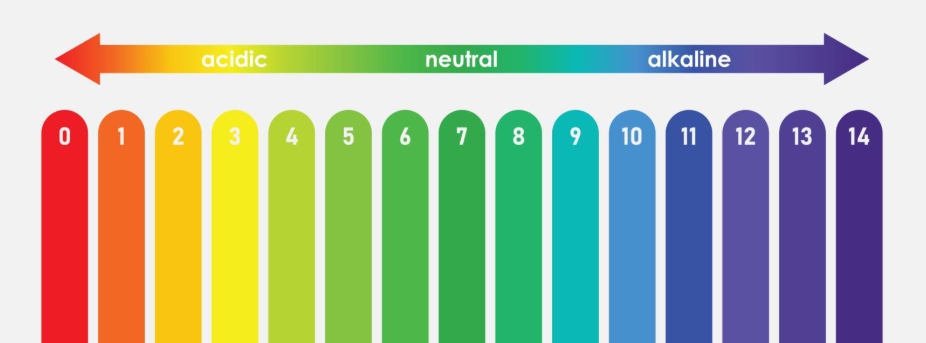
pH stands for “potential of hydrogen” and is a measure of how acidic or alkaline a substance is on a scale from 0 to 14. A pH of 7 is considered neutral. Numbers lower than 7 are acidic, while numbers higher than 7 are alkaline.
The Skin’s Natural pH
Healthy skin has a slightly acidic pH, typically ranging from 4.5 to 5.5. This acidity, often referred to as the acid mantle, plays a crucial role in protecting against environmental aggressors, pathogens, and transepidermal water loss (TEWL). When the skin’s pH is disrupted, whether through harsh cleansers, environmental factors, or certain skin conditions, the barrier function weakens. This can lead to sensitivity, dryness, breakouts, or premature aging.
Why pH Balance in Skin Care Matters
Not every product in a skin care regimen must be at the same pH, but formulation balance is essential. Products that are too alkaline can strip and compromise the barrier, while those that are too acidic can cause irritation. A well-designed skin care system considers how each step interacts with the skin’s natural pH.
Here’s a closer look:
Cleansers- Cleansers should be close to the skin’s natural pH. Traditional soap bars, for example, often have an alkaline pH around 9–10, which can disrupt the acid mantle and leave skin tight, dry, and more vulnerable. Modern, professionally formulated cleansers are designed to be pH balanced to cleanse effectively without stripping.
Toners and Mists-These are often formulated to help return skin to its ideal pH after cleansing. If cleanser formulations are pH balanced, toners and mists will support hydration and prepare the skin for serums and moisturizers.
Exfoliants- Exfoliating products often rely on acids (such as AHAs or BHAs), which are intentionally formulated at a lower pH (typically 1.5–3.5) to dissolve the bonds holding dead skin cells together and stimulate renewal.
Enzyme-based exfoliants, on the other hand, work effectively at a slightly higher pH (around 4.0–6.0), where proteolytic enzymes break down keratin proteins to smooth the skin without the same degree of acidity.
When acids and enzymes are combined in a professional peel, the pH is carefully balanced in the 3.0–4.5 range to support both actions, providing the deeper exfoliation of acids with the gentler surface refinement of enzymes, for a synergistic effect.
Moisturizers and Serums
These products help restore and maintain barrier health. While they don’t need to be exactly the same pH as the skin, they should be compatible and supportive of the acid mantle to prevent irritation.
Professional Treatments
In the treatment room, skin therapists may use products at different pH levels, such as chemical peels that deliberately shift the skin’s pH to achieve advanced results. Afterward, it is essential to neutralize and rebalance the skin to restore comfort and integrity.
The Takeaway for Professionals
pH is not just a technical detail; it is a guiding principle for skin health. For Professional Skin Therapists, understanding how pH influences skin function helps in selecting the right home care and treatment strategies.
At The International Dermal Institute, we empower skin therapists to look beyond the label, understand the science, and make informed choices that respect the delicate balance of the skin. After all, maintaining harmony at the skin’s surface is the foundation of long-term skin health.