The Skin Stress Connection. What PSTs Need to Know About Cortisol and Inflammation.
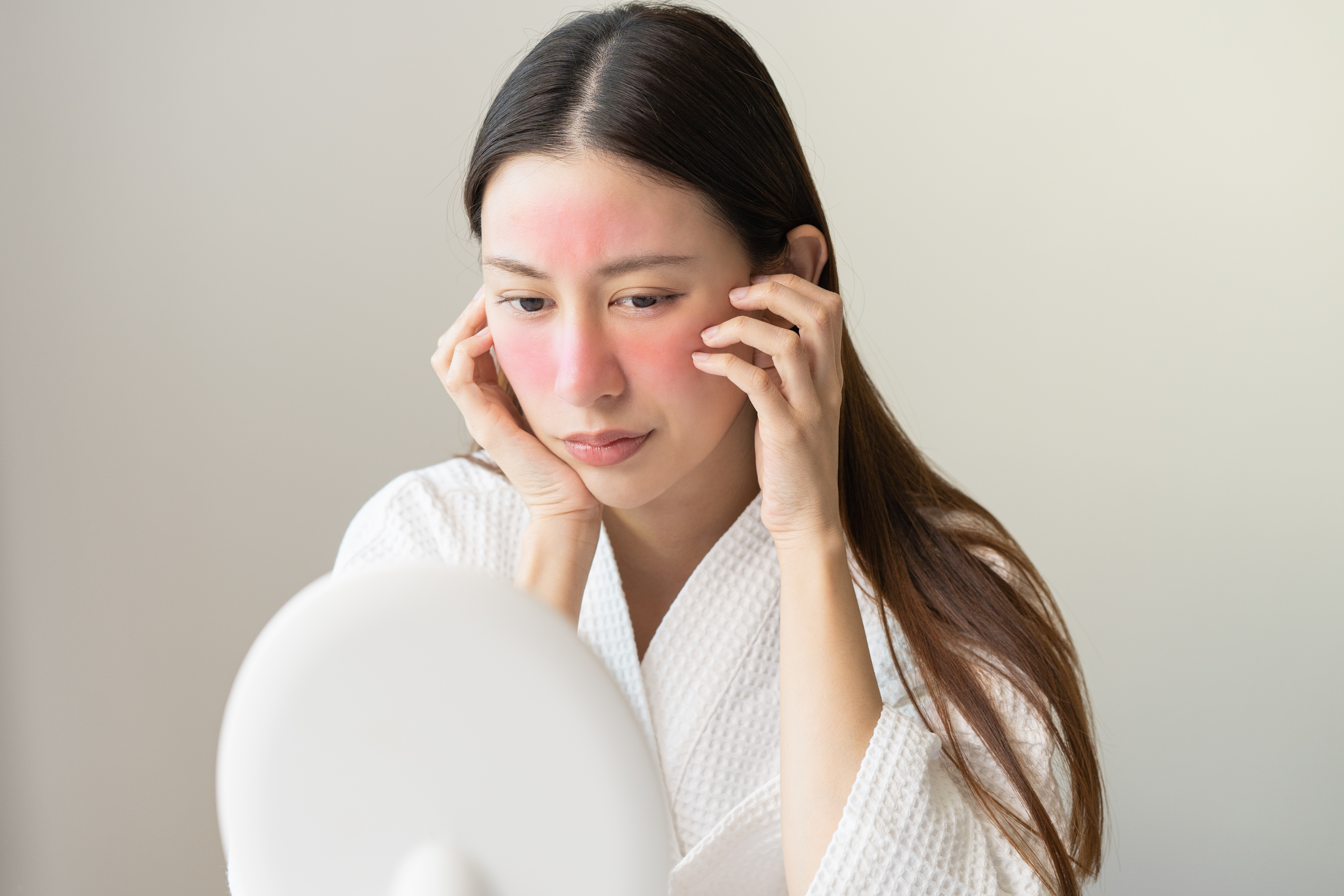
In today’s world, stress is as ubiquitous as SPF in a skin therapist’s treatment room, and its impact on the skin is just as powerful. As professional skin therapists, understanding the complex connection between psychological stress, cortisol levels, and inflammation is essential to delivering truly results-driven treatments and client education.
Stress Is a Skin Condition
Stress isn't just “mental.” It’s physiological. When the body experiences stress, whether emotional, environmental, or physical, the hypothalamic pituitary adrenal (HPA) axis is activated, triggering the release of cortisol, the primary stress hormone. In the short term, cortisol is essential for survival. But chronically elevated cortisol? That’s a different story.
In the skin, high cortisol levels can disrupt everything from barrier function and microbiome balance, to wound healing, sebum regulation, and immune response. It’s the biochemical equivalent of leaving the front door wide open during a storm.
Inflammation: The Long-Term Fallout
Cortisol doesn’t act alone. Its prolonged presence fuels low-grade, chronic inflammation, often referred to as “inflammaging.” This can show up as:
Increased skin sensitivity and reactivity
Flare-ups of eczema, rosacea, and acne
Slower healing post-treatment
Premature aging due to degradation of collagen and elastin
Even more concerning? Many clients normalize these signs, unaware that their skin is silently in distress.
How PSTs Can Intervene
The good news: as PSTs, you’re uniquely positioned to help the skin (and client) recalibrate.
Recognize the signs
Take note of clients showing persistent sensitivity, dullness, or reactivity despite proper home care. These may be red flags for stress-driven inflammation.Incorporate adaptogenic ingredients and protocols
Look for formulas that include niacinamide, mushroom extracts, and biomimetic lipids, all known for their ability to reduce inflammation and support the skin’s resilience under stress.Practice cortisol-conscious touch
Slow, rhythmic massage has been shown to lower cortisol levels and increase oxytocin a hormone linked to calming and bonding. Don’t underestimate the healing power of human touch, especially post-pandemic.Educate with empathy
Gently guide your clients to understand the full-body impact of stress on skin. Empower them with lifestyle suggestions like breathwork, sleep hygiene, and mindful skincare rituals.
Looking Ahead
Stress won’t disappear anytime soon, but our approach to managing its effects can evolve. As skin therapists, your role goes beyond topical care. You are wellness educators, emotional support providers, and frontline responders to the very real connection between the brain and the skin.
At IDI, we’re committed to advancing the conversation and the research around the skin-stress connection. Stay tuned for upcoming courses and community discussions on psychodermatology, touch therapy, and holistic treatment planning.