The Rising Tide of Adult Breakouts: Understanding and Addressing the New Normal
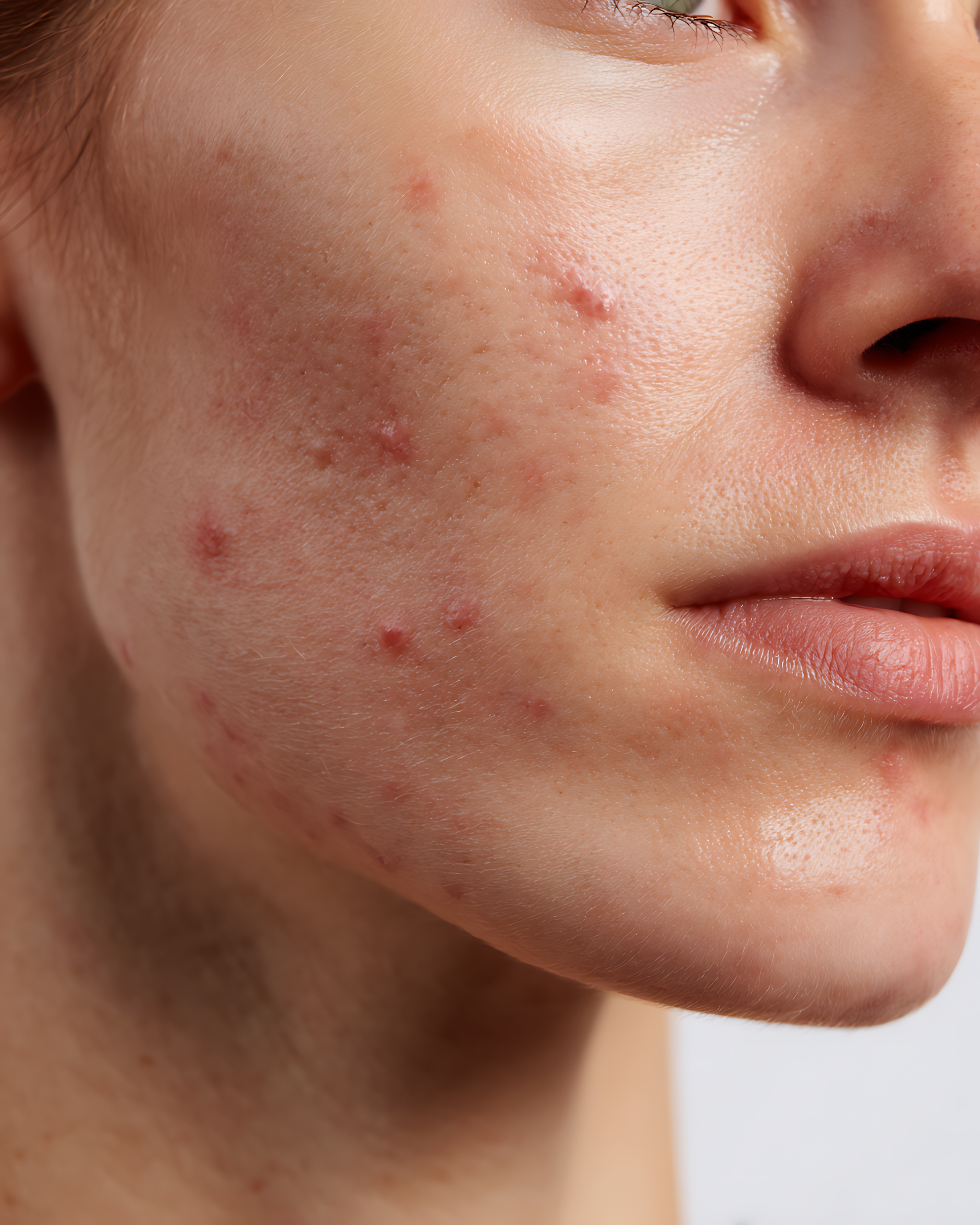
As skin therapists, we've all noticed the shift. More adults in their 30s, 40s, and even 50s are presenting with acne, many for the first time in decades, or even in their lives. What was once predominantly a teenage concern has become an increasingly common adult condition, requiring us to adapt our approaches and deepen our understanding of the multifaceted causes behind this trend.
Understanding the Root Causes
Adult acne is rarely a simple case of clogged pores. Unlike the hormonally driven breakouts of adolescence, adult acne typically stems from a complex interplay of factors that our clients may not even realize are connected to their skin.
Hormonal Fluctuations Beyond Puberty
Hormonal imbalances remain a primary driver, but the triggers differ significantly from teenage years. Perimenopause, PCOS, thyroid dysfunction, and even the discontinuation of hormonal birth control can create the perfect storm for adult breakouts. These hormonal shifts often manifest as deep, cystic lesions along the jawline and chin, what is commonly call "hormonal acne mapping."
The Stress-Skin Connection
Chronic stress elevates cortisol levels, which in turn increases sebum production and triggers inflammation. Our modern, always-on lifestyle means many clients are operating in a constant state of elevated stress, often without recognizing it. This creates a persistent inflammatory environment that compromises the skin barrier and exacerbates acne.
Lifestyle and Environmental Factors
Diet, sleep quality, and environmental pollution all contribute to inflammatory skin conditions. Processed foods, dairy, and high-glycemic diets can spike insulin levels and trigger breakouts. Meanwhile, urban pollution creates oxidative stress that damages the skin barrier and clogs pores with microscopic particles.
The New Culprits: Maskne and Beyond
The pandemic introduced us to a new term that's here to stay: maskne. While mask mandates have largely lifted, mask-wearing continues in healthcare settings, during travel, and in certain professional environments. The prolonged occlusion, friction, and moisture buildup create the ideal conditions for acne mechanica.
But maskne represents something larger, it's part of a broader category of modern triggers that include:
Increased screen time: Blue light exposure may contribute to inflammation and hyperpigmentation
Work-from-home habits: Irregular skincare routines, touching the face during video calls, and increased stress
Overuse of active ingredients: The "TikTok effect" has led many clients to over-exfoliate or layer incompatible products
These contemporary factors layer onto traditional causes, creating more complex cases that require thoughtful, individualized treatment approaches.
Communicating Effectively with Adult Clients
Adult clients experiencing breakouts often feel frustrated, embarrassed, and confused. Many tell us, "I never had acne as a teenager, why now?" This emotional component requires sensitivity and strategic communication.
Validate Their Experience
Begin by normalizing their concerns. Share that adult acne is increasingly common and that they're not alone in this experience. This immediately reduces the shame and isolation many clients feel.
Use Education as Empowerment
Help clients understand that adult breakouts are rarely about "dirty skin" or a single cause. Walk them through the interconnected factors, hormones, stress, lifestyle, and environmental influences. When clients understand the "why," they're more invested in comprehensive treatment plans.
Set Realistic Expectations
Adult skin responds differently than teenage skin. Be honest about timelines, clearing adult acne typically takes 8-12 weeks of consistent treatment, and hormonal cases may require medical support. Frame treatment as a partnership and emphasize that you're addressing root causes, not just symptoms.
Ask the Right Questions
Go beyond surface level consultations. Ask about recent life changes, stress levels, dietary habits, new products they've tried, and whether they're wearing masks regularly. These conversations often reveal the true triggers and demonstrate that you see them as a whole person, not just a skin concern.
Create Sustainable Protocols
Adult clients juggle careers, families, and multiple responsibilities. Recommend streamlined routines they can actually maintain. A simple, effective protocol they'll follow consistently beats an elaborate routine they'll abandon within a week.
Moving Forward Together
The rise in adult breakouts isn't a trend that will reverse anytime soon. As professional skin therapists, our role extends beyond treating symptoms, we're educators, support systems, and partners in our clients' skin health journeys.
By deepening our understanding of the complex causes behind adult acne, staying current with emerging triggers like maskne, and communicating with empathy and expertise, we position ourselves as invaluable resources for a growing population that needs our help.
Remember, every client sitting in your treatment room is trusting you with something deeply personal. Approach each case with curiosity, compassion, and the clinical knowledge that sets us apart as professionals. Together, we can help our clients navigate this challenging condition and emerge with clearer, healthier skin, and renewed confidence.