The Language of Skin: Decoding INCI and the Art of Label Literacy
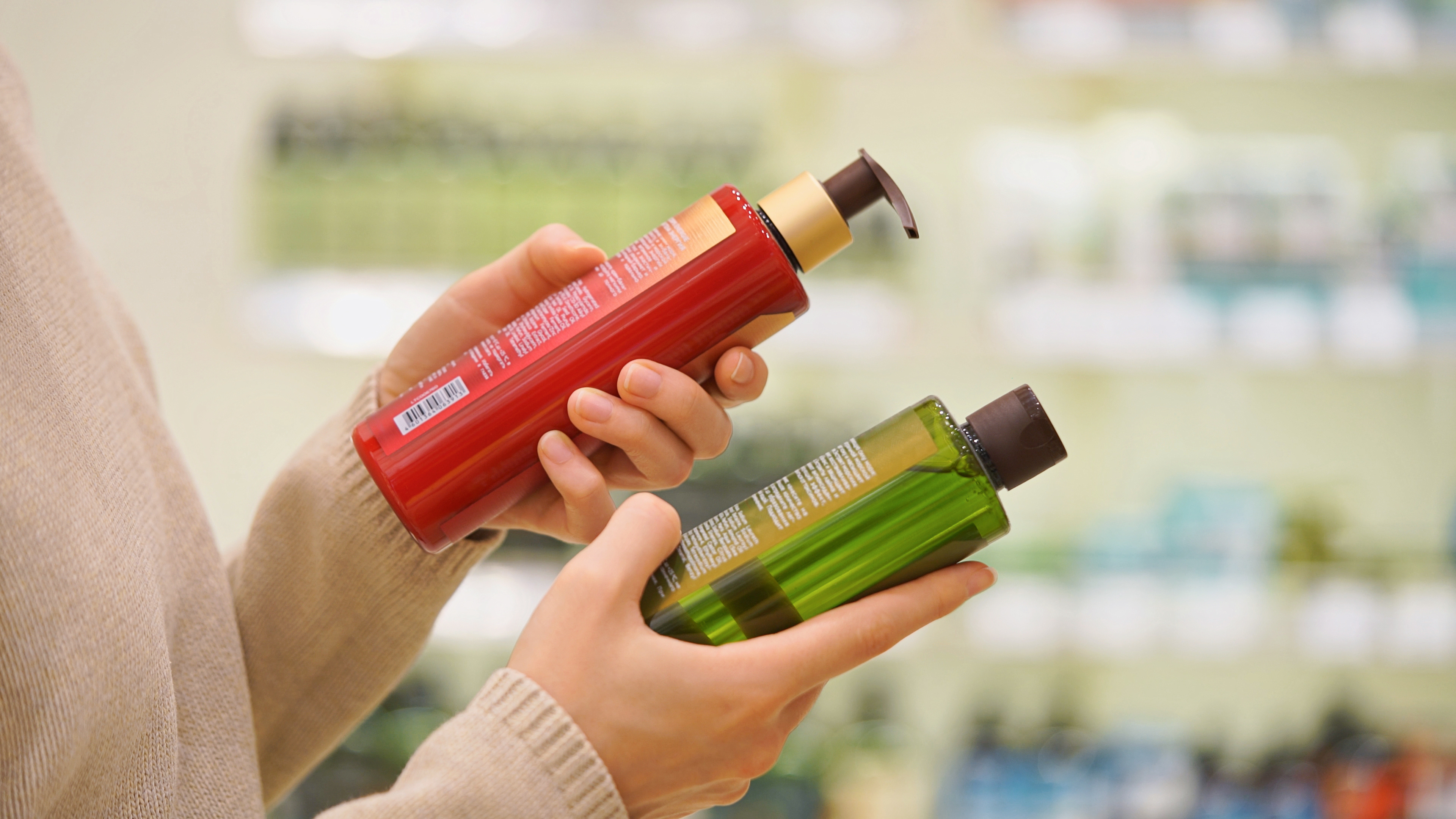
The Language of Skin: How to Read Ingredient Labels Like a Pro
Every skincare product is a carefully crafted formula, and the ingredient list is where that formula reveals itself. But let's be real: most labels read like a chemistry exam. Between scientific names that bear no resemblance to what you thought you were buying and an order that seems random at best, it's no wonder so many people just skip to the front of the bottle and hope for the best.
This guide will change that. Whether you're a skin professional building your formulation knowledge or a savvy client who wants to know what's actually in that $80 serum, here's how to read between the lines.
INCI: Why Ingredients Have Two Names
INCI stands for International Nomenclature of Cosmetic Ingredients. Basically, the universal system that standardizes how ingredients are named on labels worldwide.
It exists to eliminate confusion. Instead of every brand calling the same ingredient by different marketing names, INCI uses the chemical or botanical name so everyone's speaking the same language. That's why you'll see 2-Hydroxypropanoic Acid instead of Lactic Acid, or Tocopherol instead of Vitamin E.
Same ingredient. Different name. And once you learn to recognize the patterns, these "scary" names start to make sense.
The Order of the List Isn't Random. It's a Roadmap
Ingredients are listed in descending order by concentration, meaning what's at the top makes up most of the formula, and what's at the bottom is present in smaller amounts.
But here's the catch: once you hit the 1% threshold, the order becomes less strict. That means actives like retinol or peptides might show up near the middle or end of the list, not because they're insignificant, but because they work at low concentrations.
Translation: Don't write off an ingredient just because it's not in the top five. Placement matters, but so does potency.
Grouping by Function: The Real Cheat Code
Once you start recognizing ingredients by what they do, labels go from overwhelming to informative. Here's how to sort them:
Humectants (pull water into the skin): Glycerin, Hyaluronic Acid, Panthenol
Emollients (soften and smooth): Squalane, Shea Butter, Caprylic/Capric Triglyceride
Occlusives (lock moisture in): Dimethicone, Petrolatum, Beeswax
Actives (do the heavy lifting): Niacinamide, Lactic Acid, Peptides, Vitamin C
Preservatives (keep the formula safe): Phenoxyethanol, Ethylhexylglycerin
A good formula balances these categories: hydrating and protecting the barrier, delivering actives and keeping the product stable.
Long Names ≠ Bad Ingredients
There's a common myth that if you can't pronounce it, it's toxic. Not true.
Take Sodium Hyaluronate, it's just the salt form of Hyaluronic Acid, and it actually penetrates skin better than the original. Or Cetearyl Alcohol, which isn't drying at all, it's a fatty alcohol that helps condition and thicken products.
The name alone doesn't tell you if something is "good" or "bad." What matters is how it functions in the formula and whether it's appropriate for your skin type. That's why ingredient education beats ingredient fear every time.
What to Look for When You Flip the Bottle
Here's your quick analysis checklist:
The first 5–7 ingredients → These set the foundation. Is it water-based? Oil-based? What's the texture going to feel like?
Functional balance → Do you see hydrators, actives, and barrier support working together, or is it all filler?
Potential irritants → Fragrance or drying alcohols (like SD Alcohol or Alcohol Denat) high on the list? That's a red flag for sensitive skin.
Active delivery → Look for stabilized or encapsulated forms of actives (e.g., Ascorbyl Glucoside instead of pure Vitamin C), which tend to be gentler and more effective.
Coming Next: The Ingredient Breakdown Series
Now that you know how to read a label, let's dive into what those ingredients actually do. Starting next week, we're launching a limited series that breaks down the most important active categories in skincare, one at a time.
Each post will cover:
How the ingredients appear on labels (scientific name included)
What skin concerns it addresses
What to look for in professional-grade formulations
First up: Ingredients 101- Brightening Agents 🌟
We'll cover the difference between tyrosinase inhibitors, exfoliating acids, and antioxidant brighteners, and how to spot the real players on a label.