Skin Longevity Strategies for Winter: Why Cold Weather is Your Anti-Aging Advantage
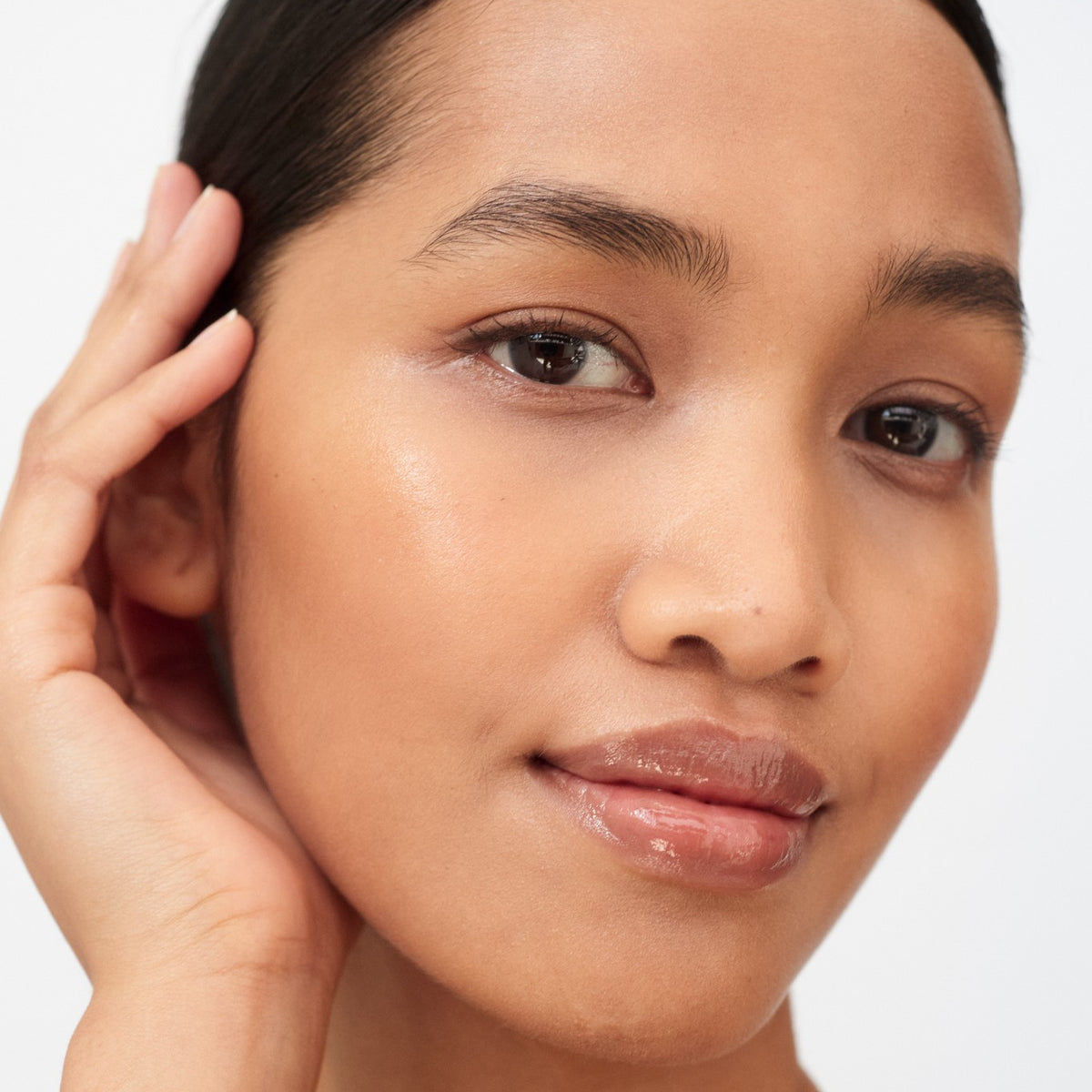
Throughout this series, we've examined how winter fundamentally alters skin physiology—from barrier disruption to hyperpigmentation management challenges to dehydration-triggered breakouts. But here's what I've learned in my years of practice: while these challenges demand strategic intervention, winter simultaneously presents unique opportunities for advancing skin longevity protocols that would be poorly tolerated during higher UV months.
This post explores why winter is optimal for retinoid therapy, how reduced circulation impacts aging mechanisms, which professional treatments deliver maximum results during cold weather, and why year-round SPF remains non-negotiable despite common UV misconceptions. I'll share the approaches I've found most effective in practice and help you navigate these advanced protocols with confidence.
How Winter Accelerates Aging Signs
Winter creates a cascade of physiological changes that can accelerate visible aging. Understanding these mechanisms helps us explain to clients why their fine lines seem more pronounced and their skin looks duller during cold months—and more importantly, how we can address it.
Compromised Microcirculation and Collagen Synthesis
Cold temperatures trigger vasoconstriction as the body prioritizes core temperature regulation. This reduced peripheral circulation creates a cascade of effects: oxygen and nutrients reach skin cells less efficiently, metabolic waste accumulates, and fibroblast activity—the cellular engines driving collagen and elastin production—slows down when resources are limited.
This is why clients often come in during winter saying their skin looks "tired" or "older"—they're observing real physiological changes, not imagining things. Fine lines appear more pronounced, radiance diminishes, and that overall vitality seems to fade.
Chronic Dehydration's Aging Impact
Winter dehydration isn't merely cosmetic. At the cellular level, chronic water loss:
Compromises the extracellular matrix structure that supports skin firmness
Reduces Hyaluronic Acid's volumizing capacity
Accelerates the appearance of expression lines as skin loses its ability to "bounce back"
Creates textural changes that emphasize existing aging signs
Essential Skin Longevity Ingredients for Winter
Antioxidants: The Winter Defense System
Winter's environmental stressors—indoor heating, temperature fluctuations, compromised barriers—increase oxidative stress. Think of antioxidants as your skin's defense team, working behind the scenes to neutralize damage before it becomes visible. Three antioxidants stand out for their research support and practical application:
Vitamin C: Supports collagen synthesis, addresses photodamage, and provides environmental protection
Vitamin E (Tocopherol): Works synergistically with Vitamin C to enhance antioxidant capacity and support barrier lipids
Combined C+E+Ferulic Acid: This triple combination provides superior antioxidant protection, with each component stabilizing and enhancing the others
Peptides for Targeted Repair
Peptides offer communication signals that can partially compensate for winter's reduced cellular activity. I think of them as messengers that keep skin cells communicating effectively even when circulation is compromised:
Signal peptides: Stimulate collagen, elastin, and glycosaminoglycan production even when circulation is compromised
Carrier peptides: Deliver essential minerals like copper to support enzymatic processes and collagen synthesis
Neurotransmitter-inhibiting peptides: Reduce expression line depth through muscle relaxation, particularly valuable when dehydration makes lines more apparent
Peptides work optimally in well-formulated serums applied to clean skin before moisturizers.
Emerging Technologies: Growth Factors and Exosomes
Beyond foundational antioxidants and peptides, two emerging technologies offer sophisticated cellular communication for clients ready to advance their longevity protocols. These are exciting developments in our field, but they're best introduced strategically:
Growth Factors
Growth factors are signaling proteins that stimulate cellular proliferation, differentiation, and tissue repair—particularly valuable when winter's compromised circulation limits natural cellular communication. Common sources include:
Human-derived: From cultured fibroblasts or stem cells
Plant-derived: From botanical stem cells
Biomimetic: Laboratory-engineered
They're particularly effective when applied after professional treatments and are best suited for clients who have established tolerance to retinoids and foundational actives. This sequencing matters—introducing growth factors before skin has adapted to retinoids can lead to irritation and makes it difficult to identify which product is causing issues if problems arise.
Exosomes
Exosomes represent an even more sophisticated approach, carrying proteins, lipids, and genetic material that influence cellular behavior beyond single-signal growth factors. While the science here is compelling, I find it helpful to explain to clients that exosomes are like comprehensive instruction packages for skin cells, rather than single messages. Sources include:
Human-derived: Offer cellular signals identical to those naturally present in human skin
Animal-derived: Provide mammalian growth factors with structural similarities to human biology
Plant-based: Excel at barrier support and antioxidant protection with excellent biocompatibility
Bacterial: Offer potent anti-inflammatory properties, microbiome modulation, and work exceptionally well post-procedure
Client preferences increasingly favor vegan options—plant-based and bacterial exosomes—which offer compelling benefits including no ethical concerns, excellent safety profiles, and strong efficacy addressing key winter skin challenges. Consider introducing these advanced actives for clients who have optimized their foundational protocols (antioxidants, peptides, retinoids) and are ready for sophisticated cellular communication therapies. These aren't where we start the conversation—they're where we go when clients have mastered the fundamentals and are ready for the next level.
Why Winter is Optimal for Retinoid Therapy
Winter creates unique advantages for retinoid protocols, and this is one of my favorite conversations to have with clients who've been hesitant about retinoids:
Reduced UV exposure: Lower UV levels create optimal conditions for building retinoid tolerance
Strategic timing for results: Beginning protocols in winter means visible improvements emerge by spring—perfect timing for clients who want their skin looking its best as the weather warms
Synergy with professional treatments: Allows combining retinoid therapy with treatments contraindicated during high UV months
Retinoids increase cellular turnover and make skin more responsive to other actives. Start with lower concentrations 2-3 times weekly, gradually increasing frequency as tolerance builds. Apply to clean, dry skin, followed by a barrier-supporting moisturizer. Expect an adjustment period of 4-8 weeks before advancing concentration or frequency. This gradual approach prevents the irritation that makes clients abandon retinoids before seeing their benefits.
Professional Treatments Optimized for Winter
Winter's reduced UV exposure creates an optimal window for intensive professional treatments that prioritize dermal remodeling and long-term structural improvement. This is where we can really make a difference in our clients' skin health journey—these treatments deliver results that topical products alone simply cannot achieve.
Important Consideration for Melanin-Rich Skin: All professional treatments in this section require modified protocols for melanin-rich skin. Higher melanin density increases post-inflammatory hyperpigmentation (PIH) risk from any procedure that creates controlled injury. Practitioners must adjust treatment parameters (peel strength, needle depth, laser settings) and extend pre- and post-treatment protocols to minimize inflammation and PIH development. This isn't about avoiding these treatments—it's about customizing them appropriately.
Chemical Peels for Skin Renewal
Superficial chemical peels support skin longevity through improved cellular turnover and optimized product penetration. I find these particularly valuable for clients who want professional results without significant downtime. Key benefits:
Enhanced penetration of topical actives (peptides, antioxidants, retinoids, exosomes) that support collagen synthesis
Improved cellular turnover that maintains skin responsiveness to active ingredients
Mild cellular signaling that supports overall skin function
Treatment areas should include the neck, décolletage, and hands—zones often neglected in standard protocols but that show aging prominently
Note: This discussion focuses on superficial chemical peels because they fall within the scope of professional skin therapists. Medium-depth and deep peels, performed by dermatological practitioners, offer more aggressive collagen remodeling and can address advanced aging concerns. However, they require medical oversight and extended recovery periods. The principles discussed here—winter timing, post-treatment protocols with growth factors and exosomes—apply across all peel depths.
Microneedling for Structural Improvement
Skin longevity applications target deeper structural concerns:
Deeper needle penetration: 1.0-1.5mm depths to reach dermal fibroblasts
Combination with longevity actives: Post-treatment application of peptide complexes, growth factors, and stem cell derivatives
Extended series: 4-6 treatments to achieve significant textural and firmness improvements
Laser Protocols for Aging-Specific Concerns
Laser selection for skin longevity differs substantially from pigment-focused treatments:
Non-ablative fractional lasers: Stimulate collagen without surface disruption, ideal for minimal downtime
Ablative fractional CO2: For advanced aging concerns requiring significant collagen remodeling
Radiofrequency microneedling: Combines mechanical injury with thermal stimulation for profound tightening effects
Post-Treatment Protocols: Optimizing Recovery and Results
Post-treatment care significantly influences both recovery quality and final outcomes. Here's what I've learned works best: match protocol intensity to treatment depth. Superficial treatments benefit from immediate application of growth factors and peptides to maximize enhanced penetration. Moderate to deep treatments require a phased approach—begin with anti-inflammatory support (bacterial exosomes excel here), then transition to growth-promoting actives like peptides and growth factors as healing progresses. This strategic sequencing optimizes collagen remodeling while minimizing complications. When clients follow this approach, I see consistently better results and fewer post-treatment concerns.
Non-Negotiable SPF Use Year-Round
Perhaps the most critical skin longevity strategy, and the most commonly misunderstood, is year-round SPF protection. I cannot emphasize this enough—if I could give clients only one piece of advice for preventing premature skin aging, this would be it. Winter UV misconceptions create significant risk:
UV Reality in Winter
UVA remains constant: UVA radiation penetrates clouds and glass with minimal seasonal variation. Clients receive substantial UVA exposure even on overcast winter days—yes, even when it's snowing
Snow reflection amplifies exposure: Snow reflects up to 80% of UV radiation, effectively nearly doubling exposure during outdoor winter activities
Altitude increases intensity: UV exposure increases approximately 10-12% for every 1,000 meters of elevation gain
Window exposure persists: UVA penetrates glass. Clients working near windows receive continuous exposure throughout the day
SPF Protocols for Winter
Broad-spectrum SPF 30 minimum: Applied as the final step of morning skincare, every single day—no exceptions
Reapplication matters: For extended outdoor time, reapply every 2 hours—more frequently if you're sweating or wiping your skin.
Formula considerations: Winter protocols may require more emollient SPF formulations that provide barrier support while delivering protection
Integration with actives: SPF becomes even more critical when clients use retinoids, AHAs, or have received professional treatments
Client Education: The Skin Longevity Investment Perspective
Many clients view winter skincare as maintenance rather than opportunity. This is where we can really shift the conversation and help clients see winter differently:
Winter creates treatment windows: Cold months allow for professional treatments and active protocols that deliver long-term structural improvements impossible to achieve safely during other seasons
Results require consistency: Skin longevity protocols take 3-6 months to produce visible improvements. Starting in winter means emerging results by spring—when clients want to look their best
SPF is the foundation: This single habit provides more skin longevity benefit than any other intervention. Everything else we do builds on this foundation
What's Your Winter Treatment Priority?
In our final post next week, we'll explore the lifestyle factors that support professional skincare protocols during winter months—because what happens outside the treatment room matters just as much as what happens inside it. Which professional treatment do you prioritize for aging concerns when you have a narrow window before spring? I'd welcome your insights and experience in the comments below.