Skin Confidence Across Cultures: What It Really Means
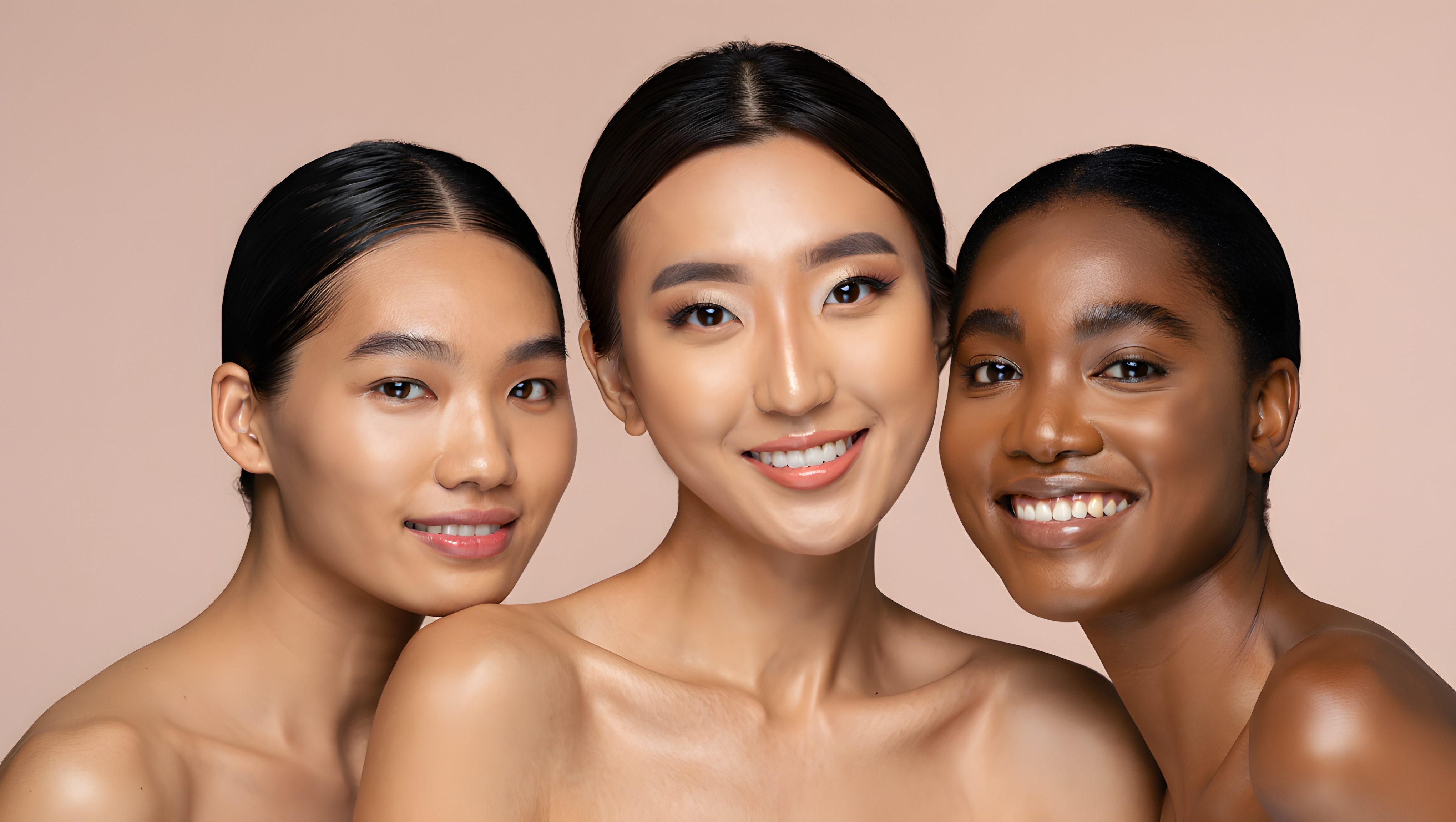
What does healthy, confident skin look like? The answer depends on where you’re standing in the world.
For some, confidence comes from a brighter complexion. For others, it’s a golden glow that signals vitality. And for many, it’s simply skin that feels calm, resilient, and healthy, no matter what it looks like.
As skin therapists, understanding how culture shapes skin confidence helps us meet clients with more empathy, insight, and results-driven care.
🌍 Beauty Ideals Are Not Universal
Throughout history, different cultures have celebrated different “skin goals”:
East Asia: A luminous, fair-toned complexion has symbolized refinement and protection from the elements.
Western countries: A sun-kissed glow has often been linked to leisure, health, and vitality.
African and Caribbean communities: Radiant, hydrated skin is tied to cultural pride, heritage, and resilience.
These ideals may influence the way clients describe their goals, sometimes without even realizing it.
💭 When Skin Health Meets Stigma
Across cultures, skin conditions like acne, pigmentation, or scarring can carry more than just physical effects. They can bring cultural stigma, sometimes viewed as a sign of poor diet, hygiene, or “bad habits.”
Our role as skin therapists is to create a safe, judgment-free space. By reframing skin concerns as common conditions rooted in physiology (not personal failure), we help clients let go of shame and move toward confidence.
🧠 How Clients Define “Healthy Skin”
Some clients view the skin as a reflection of inner balance, influenced by systems like Ayurveda or Traditional Chinese Medicine. Others see skin care primarily as an aesthetic pursuit.
Neither is right or wrong. What matters is listening to how a client defines their goals, then framing treatments and home care in language that resonates with their worldview.
🤝 Inclusive Skin Therapy in Practice
Building confidence across cultures means tailoring care with intention:
Understanding how melanin-rich skin behaves differently (especially with exfoliation and pigmentation).
Avoiding assumptions about “ideal” outcomes.
Asking open-ended questions: What does healthy skin mean to you?
When clients feel seen and understood, they’re more likely to embrace their own version of skin confidence.
🌟 The Global Shift Toward Skin Acceptance
Thanks to social platforms and global conversations, new movements are emerging:
Skin neutrality: Accepting skin exactly as it is, without pressure to perfect it.
Barrier-first philosophy: Prioritizing skin function over surface appearance.
Community-driven confidence: Sharing stories across borders that normalize diversity in skin health.
Skin confidence is universal but the path to achieving it should always be personal.
✨ Takeaway: By recognizing the cultural lenses that shape a client’s self-perception, you can better support their journey to skin confidence. Sometimes, the most powerful treatment we offer isn’t just what’s on the skin, it’s how we make someone feel in their skin.