Professional’s Guide to Advanced Treatments: Injectables
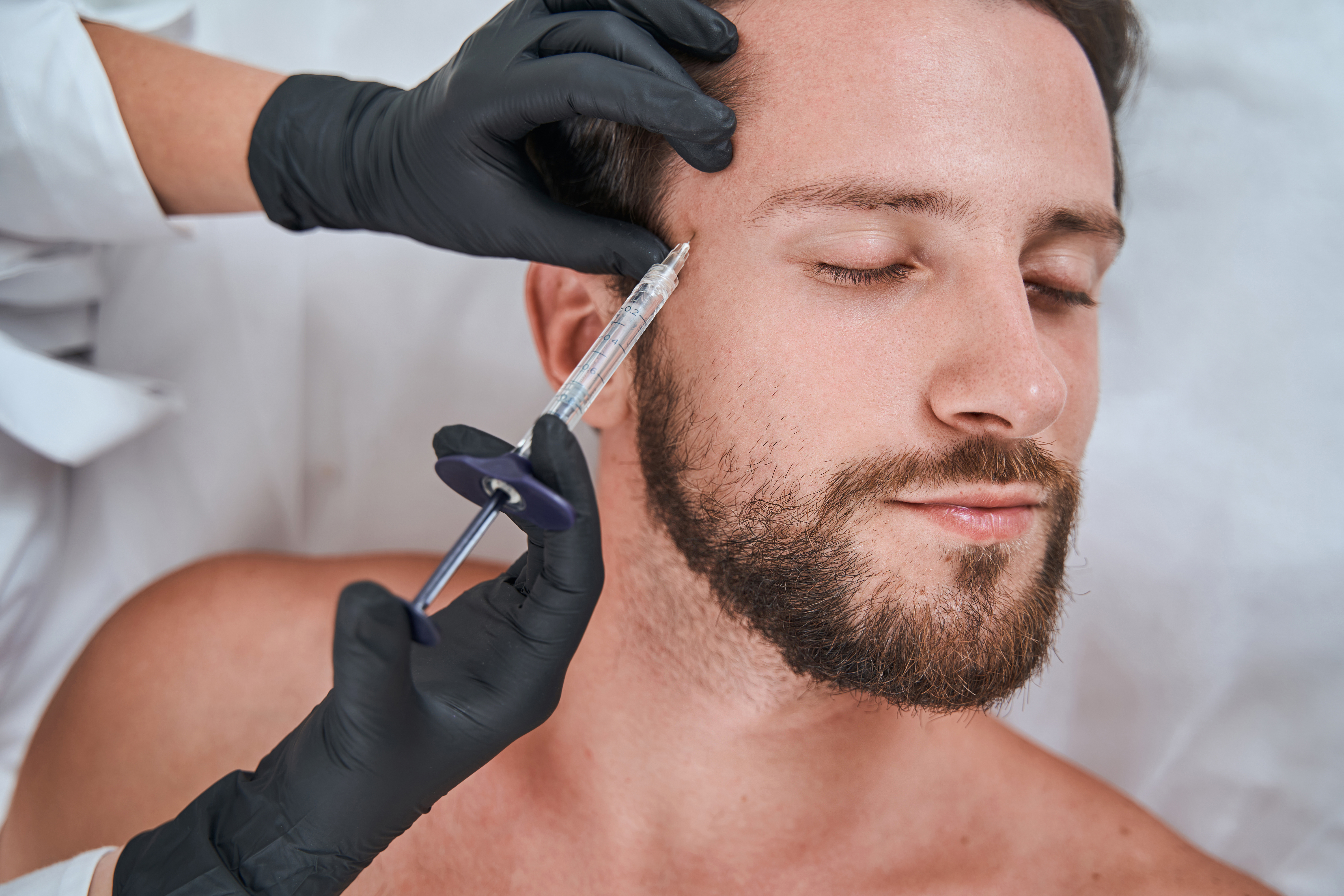
Injectable treatments are now a common part of modern aesthetic care. Many clients receiving professional skin treatments also receive neuromodulators or dermal fillers as part of their overall treatment plan.
Regulations surrounding injectable procedures vary by country and licensure. Professional skin therapists should always practice within their education, certification, and local regulatory guidelines when participating in or supporting injectable treatments.
Understanding how injectables interact with the skin allows the professional skin therapist to better prepare tissue, support recovery, and communicate effectively with both client and medical provider.
What Injectables Are and How They Function
Injectables influence tissue behavior at a structural and mechanical level rather than directly improving skin function.
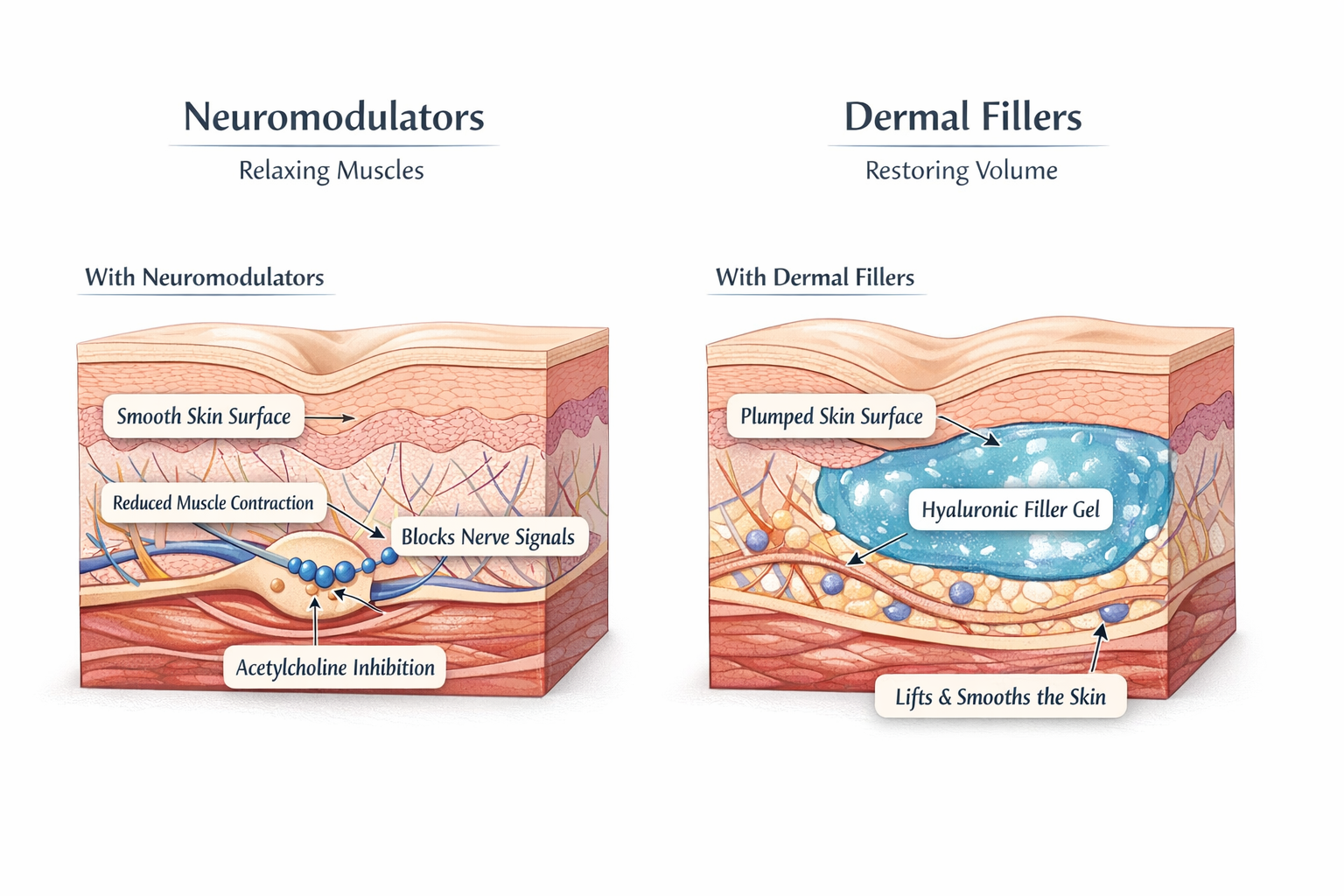
Neuromodulators temporarily inhibit acetylcholine release at the neuromuscular junction. By reducing repetitive muscle contraction, they decrease cyclic mechanical folding of the dermis, limiting the formation and deepening of expression lines over time.
Dermal fillers act as space-occupying materials within the extracellular matrix. By restoring volume and structural support, they redistribute tension across the skin and alter how light reflects off the surface. This can soften folds and improve contour, but it does not normalize epidermal turnover, barrier integrity, or inflammatory signaling.
Neither category directly repairs the skin. Instead, they change the mechanical environment surrounding it.
Hydration, lipid organization, collagen quality, and inflammatory activity still determine whether the surface appears smooth, even, and integrated with the underlying structure. When skin quality is compromised, structural correction may be technically accurate yet visually incomplete.
The Professional Skin Therapist’s Goal
The role of the professional skin therapist is to support tissue health so structural treatments appear integrated and natural.
Before injectable procedures, the focus is stability rather than stimulation. Barrier disruption, inflammation, or recent aggressive treatments may increase sensitivity, bruising, and unpredictable recovery. Preparation centers on calming, conditioning, and maintaining consistent home care.
After injectable procedures, care shifts toward protection and recovery. Early intervention should prioritize soothing and barrier support rather than correction. Allowing appropriate integration time helps prevent prolonged inflammation and reduces the likelihood of complications attributed to product rather than timing.
Home care guidance remains essential. Consistent cleansing, moisturization, and photoprotection help maintain skin quality so structural treatments perform as intended.
Collaboration in Treatment Planning
Injectables and professional skin treatments address different aspects of appearance, structure and movement versus surface quality and function.
Clear communication between providers helps align timing, avoid conflicting treatments, and support predictable outcomes. When each professional works within their expertise, the client benefits from coordinated care rather than overlapping intervention.
Always consult local regulations and scope of practice guidelines when working around medical aesthetic procedures.