PDRN in Skincare: Miracle Molecule or Marketing Hype?
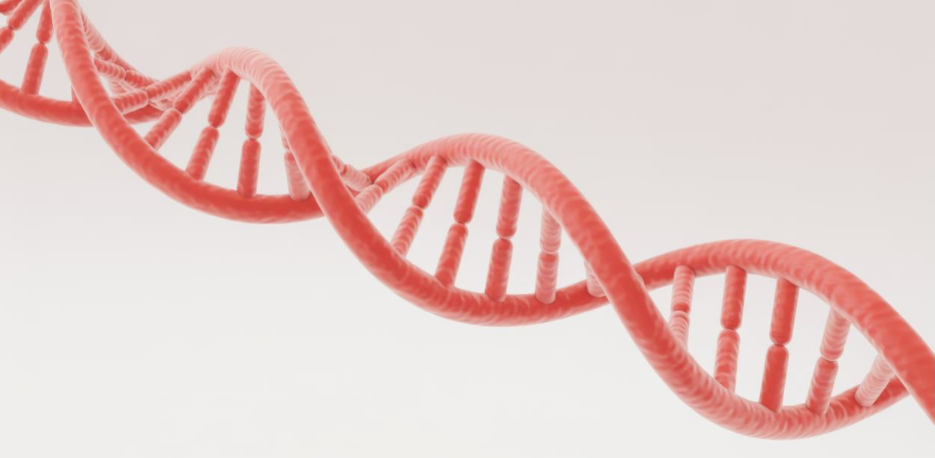
At The International Dermal Institute, we believe in unpacking emerging ingredient trends with scientific clarity. One of the most talked about bioactive ingredients making waves in recent skin care conversations is PDRN short for polydeoxyribonucleotide most commonly derived from salmon sperm DNA.
It may sound unusual at first mention, but this marine-derived molecule is not new in the medical space. In fact, PDRN has been used in regenerative medicine for over a decade for wound healing and tissue repair. Now, it's finding a new home in aesthetic skin care, and like many trending ingredients, it's worth looking past the hype and exploring the real science.
What is PDRN?
PDRN is a low molecular weight DNA fragment extracted from the sperm cells of salmon. It belongs to a class of compounds known as DNA polymers and is often included in topical formulations or injectable treatments designed to improve cellular regeneration and reduce signs of aging.
The Potential Pros of PDRN in Skincare
1. Regeneration Support PDRN has been shown in medical settings to promote tissue repair and stimulate cellular turnover by enhancing fibroblast activity. In cosmetic use, this can translate into improved texture, tone, and resilience.
2. Anti-Inflammatory Action Clinical studies suggest PDRN has anti-inflammatory properties that help calm irritated or inflamed skin, making it appealing for post-procedure care or as a supportive ingredient in barrier-repair formulas.
3. Collagen Boosting Through stimulation of the skin’s natural healing processes, PDRN may encourage increased collagen synthesis, offering benefits in firmness and fine line reduction over time.
4. Hydration Enhancement By supporting skin’s natural repair mechanisms and improving barrier function, PDRN may also contribute to more hydrated, plumper-looking skin.
But Let’s Talk About the Limitations…
1. Source Transparency & Purity Not all PDRN is created equal. The sourcing process must ensure high levels of purity and biocompatibility, or the skin may react adversely. If a product doesn’t clearly state the origin or purification method of its PDRN, it may not be as effective or safe.
2. Limited Independent Clinical Research in Cosmetics Most of the compelling evidence for PDRN comes from medical literature, particularly in wound healing. There’s still a lack of robust, peer-reviewed cosmetic studies evaluating its long-term effects and efficacy in over-the-counter skin care formulations.
3. Allergen Considerations Although highly purified, salmon-derived PDRN may raise concerns for those with seafood allergies or sensitivities. While the risk of an allergic reaction is low, it’s something to consider in a professional consultation.
4. Cost and Accessibility Due to complex extraction processes, PDRN can drive up formulation costs. Consumers may find PDRN-based products are priced at a premium without guaranteed superior results compared to other well-researched ingredients like peptides, niacinamide, or retinoids.
Bottom Line from IDI:
Salmon sperm-derived PDRN holds fascinating potential in skin regeneration and repair, particularly for post-inflammatory or aging skin conditions. However, we encourage skin therapists and consumers alike to approach it with informed curiosity, not blind excitement.
As always, efficacy depends on concentration, formulation compatibility, sourcing, and skin condition. At The International Dermal Institute, we recommend pairing innovative ingredients with tried-and-true skin physiology knowledge and treatment protocols to achieve the best client outcomes.
Education powers expertise. At IDI, we continue to monitor and evaluate new ingredient technologies to ensure our professional community stays at the forefront of skin health innovation. The International Dermal Institute does not formulate products with animal-derived ingredients.
What’s your take? We’d love to hear in the comments below.