Nanoinfusion vs Microneedling: Choosing the Right Treatment for Your Client
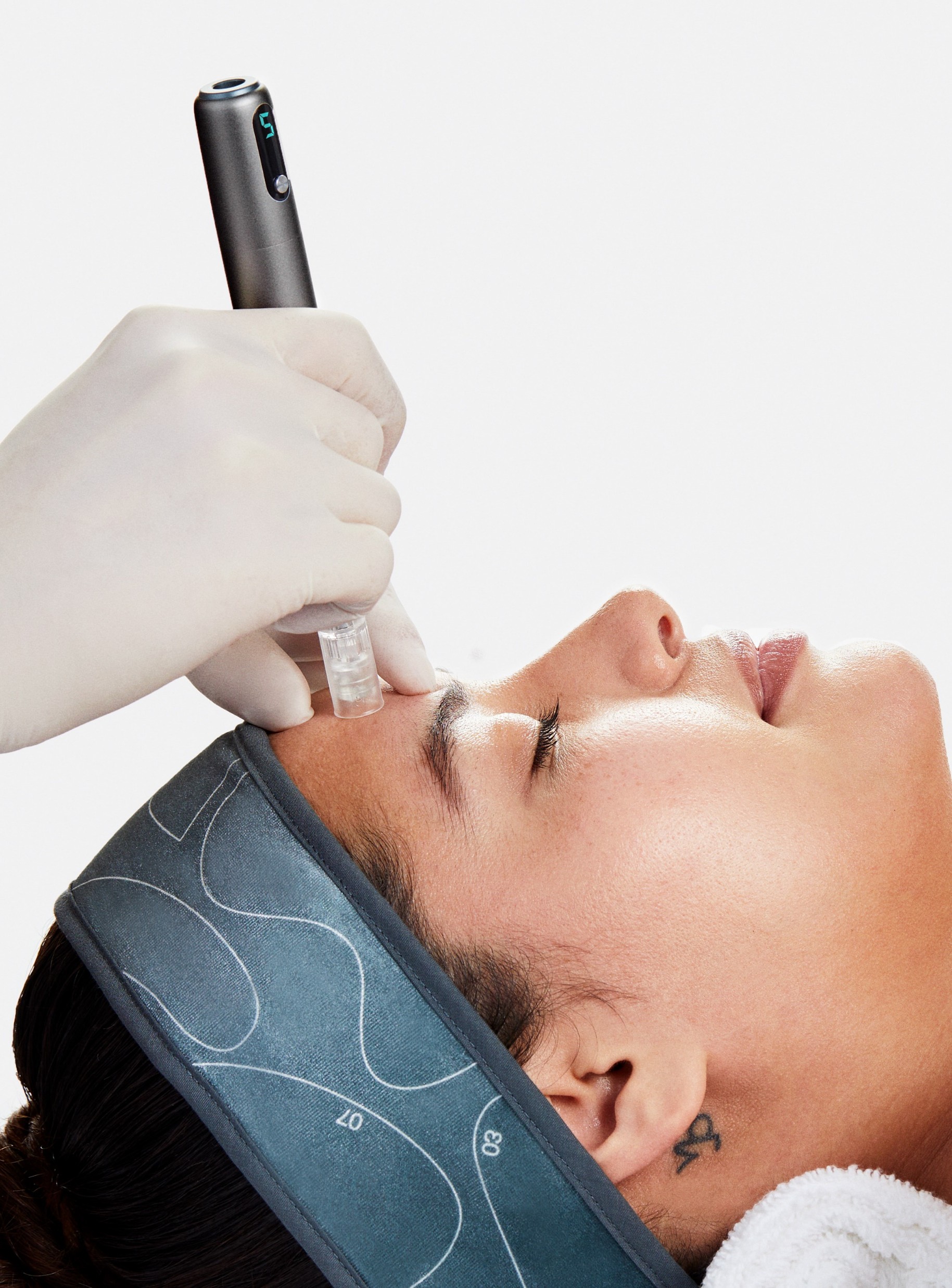
As professionals, we're constantly evaluating which treatments will deliver the best results for our clients. Two popular options that often come up in conversation are nanoinfusion and microneedling. While they may seem similar at first glance, these treatments work quite differently and serve distinct purposes in your treatment menu.
Understanding the Basics
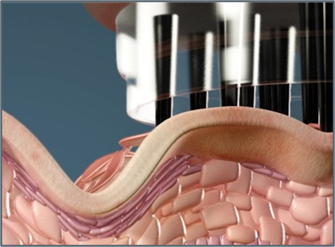
Microneedling uses fine needles to create controlled micro-injuries in the skin, typically penetrating between 0.5mm to 2.5mm deep depending on the treatment area and concern. This process triggers the body's natural wound healing response, stimulating collagen and elastin production. The result? Improved skin texture, reduced scarring, diminished fine lines, and overall skin rejuvenation.
Nanoinfusion, on the other hand, uses a cartridge with microscopic nano-tips that are only 1/1000th the diameter of a human hair. These tips create temporary channels in the outermost layer of the skin without penetrating as deeply as traditional microneedling. The primary purpose is to enhance product absorption and create a subtle resurfacing effect without the downtime associated with deeper treatments.
Key Differences
Depth of Penetration: Microneedling penetrates much deeper into the dermis, while nanoinfusion works primarily on the epidermis. This fundamental difference affects everything from results to recovery time.
Treatment Goals: Microneedling is your go-to for addressing deeper concerns like acne scarring, wrinkles, stretch marks, and significant texture issues. Nanoinfusion excels at improving product penetration, creating a healthy glow, addressing fine lines, and providing gentle exfoliation.
Downtime: Microneedling typically requires 3-7 days of recovery with visible redness and potential flaking. Nanoinfusion offers minimal to no downtime, with clients often returning to normal activities immediately.
Discomfort Level: Microneedling usually requires topical numbing and can be uncomfortable, while nanoinfusion is generally well-tolerated without numbing agents.
Which Treatment Should You Choose for Your Client?
Consider Microneedling when your client:
Has moderate to severe acne scarring
Wants significant improvement in deep wrinkles or texture
Is dealing with stretch marks or surgical scars
Can commit to proper downtime and aftercare
Seeks dramatic, long-term collagen remodeling results
Consider Nanoinfusion when your client:
Has sensitive skin or rosacea
Wants to maintain results between more intensive treatments
Needs a "glow up" before an event with no downtime
Is new to professional treatments and wants to start gently
Has fine lines and dehydration as primary concerns
Cannot afford downtime for their lifestyle or career
The Power of Combination Therapy
Many professionals find success in combining both treatments in a comprehensive skin care plan. For example, you might perform microneedling sessions quarterly for collagen building while incorporating monthly nanoinfusion treatments to maintain hydration and product efficacy.
Making the Professional Decision
The key to choosing between these treatments lies in a thorough consultation. Assess your client's:
Primary skin concerns and goals
Skin type and sensitivity level
Lifestyle and downtime availability
Budget and treatment timeline
Previous treatment history and tolerance
Remember, neither treatment is universally "better" – they're simply different tools in your professional toolkit, each with its own strengths and ideal applications.
Important Legal and Professional Disclaimer
Before performing any nanoinfusion or microneedling treatments, you must ensure compliance with your local regulations and professional standards:
Regulatory Compliance: Verify that you are legally permitted to perform these services according to your location's regulatory board requirements. Scope of practice varies significantly by region, state, and country.
Proper Insurance: Ensure you carry adequate professional liability insurance that specifically covers these treatments. Not all policies include coverage for invasive or semi-invasive procedures.
Required Certifications: Obtain all necessary certifications, training, and credentials required in your jurisdiction. Completion of a hands-on training course from a reputable provider is essential.
Device Compliance: Ensure any devices you use are properly registered, maintained, and approved for use in your location. Read more about that in our blog: #FDA Clearance and Cosmetic Devices: What It Means for Skin Care Professionals.
Performing these treatments without proper authorization, insurance, and training can result in serious legal consequences, liability issues, and harm to clients. When in doubt, consult with your regulatory board, professional association, and insurance provider before adding these services to your menu.