Longevity, NAD+ and the Future of Wellbeing: Reflections from an Expert Panel
Longevity is one of the biggest conversations in health and wellness right now, but it's about much more than simply living longer.
At its core, longevity is about maximizing our health span, the number of years we spend healthy, active, and functioning at our best. As the focus shifts from treating disease to proactively supporting health, there's growing interest in the cellular processes that influence how we age.
One molecule that continues to gain attention in this space is NAD+.
What is NAD+?
NAD+ (nicotinamide adenine dinucleotide) is a coenzyme found in every cell of the body. It plays an important role in energy production, cellular repair, and overall metabolic function.
Research suggests NAD+ levels naturally decline with age, which has led to increasing interest in how lifestyle factors and wellness interventions may help support healthy ageing and cellular function.
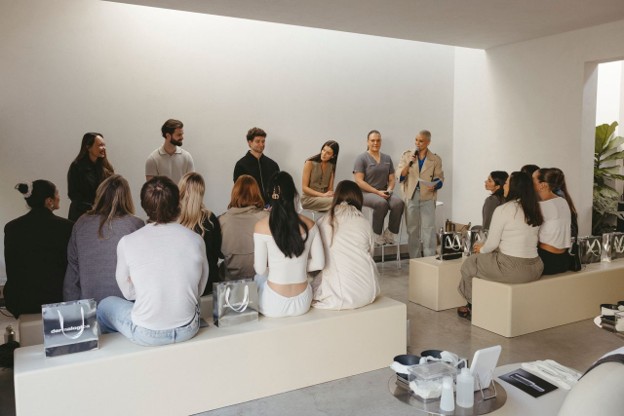
This was the focus of a recent expert panel discussion I had the opportunity to be part of, alongside specialists in sleep, nutrition, IV supplementation, and breathwork.
Key Themes from the Panel
Although each speaker came from a different area of expertise, the message was remarkably consistent. Longevity isn't about one breakthrough treatment or a quick fix. It's about supporting the body's ability to recover, adapt, and function over time.
Dr. Dean J. Miller, Sleep and Circadian Rhythm Expert, spoke about the importance of sleep as a foundation for health. His key message was that consistency matters. Quality sleep supports recovery, resilience, and overall wellbeing, making it one of the most important pillars of healthy ageing.
Clinical Nutritionist Brooke Kelly highlighted the importance of dietary diversity. Rather than focusing on restrictions, she encouraged a varied, nutrient-rich diet that includes foods such as fish, legumes, and leafy greens. Her perspective reinforced that longevity nutrition is less about cutting foods out and more about providing the body with the nutrients it needs to support healthy NAD+ production.
Rosy McEvedy, Founder of IV League Drips, discussed the growing interest in Intravenous NAD+ therapy and why it has become part of the broader longevity conversation. As awareness of cellular health increases, more people are exploring wellness strategies aimed at supporting energy, recovery, and overall vitality.
Breathwork facilitator Rory Warnock brought attention to the role of stress management. Through intentional breathing practices, we can support nervous system regulation and create space for better recovery, sleep, and resilience. It was a reminder that some of the most powerful health tools are also among the simplest.
The Skin Longevity Perspective
As an Educator and Dermal Clinician, my contribution focused on skin longevity.
Every day, our skin is exposed to environmental stressors including UV radiation, pollution, and oxidative stress. Over time, this contributes to cumulative damage that can accelerate visible signs of ageing and impact the skin's ability to function optimally.
This is why the conversation around skincare is evolving. Rather than focusing solely on correcting visible concerns, there is growing interest in supporting the biological processes that help maintain skin health over time.
Longevity is about helping skin remain resilient, functional, and healthy for as long as possible. It's not about reversing age. It's about supporting the skin so it can perform at its best throughout every stage of life.
The Biggest Takeaway
What this panel reinforced is that longevity is far bigger than a trend. It's a shift in how we think about health.
Whether we were discussing sleep, nutrition, stress management, IV therapies, or skin health, the common thread was clear: supporting the body's ability to function, repair, and adapt over time.
NAD+ emerged as an important part of that conversation, not as a miracle solution, but as one piece of a much larger puzzle.
Ultimately, longevity isn't built through a single intervention. It's shaped by the daily choices we make and the habits we consistently practice. And perhaps that's what makes the longevity conversation so exciting. It's not just about adding years to life. It's about adding life to those years.
Questions and Answers from the Live Panel
Q: What can we do about lost sleep for longevity?
A: The best way to minimise the impact of sleep loss is to maintain consistency in your sleep habits. While we cannot fully reverse the effects of lost sleep, we can prioritise regular, high-quality sleep whenever possible. This includes habits such as reducing exposure to bright or blue light before bed, using dim or red lighting in the evening, and maintaining a consistent bedtime and wake-up time.
If you know you'll be facing a period of reduced sleep, such as during shift work, travel, or preparation for a major event, it can help to "bank" your sleep in advance. By getting extra sleep in the week or two beforehand, you build a buffer that can help reduce the impact of temporary sleep deprivation when it occurs.
Q: What's a go-to meal combination you [Brooke Kelly] enjoy that supports NAD+ production?
A: Brooke Kelly highlighted foods rich in niacin (vitamin B3), including fish, wholegrains, and legumes. One of her favourite ways to support NAD+ production while also promoting heart and brain health and boosting vitamin D intake is a simple yet nutritious sardines-on-toast recipe with a twist.
Described as a “gateway recipe” for those curious about trying sardines, it combines sardines mashed with hummus, fresh parsley, chilli, and lemon. The mixture is then spread over toasted sourdough and topped with tomatoes, pickled vegetables, and dressed leafy greens. The result is a delicious meal packed with protein, healthy fats, fibre, vitamins, and minerals, making it a true nutritional powerhouse.
Q: Why is intravenous NAD+ supplementation gaining popularity?
A: IV NAD+ has become increasingly popular because it delivers NAD+ directly into the bloodstream, allowing for immediate systemic availability without the limitations of digestive absorption. Because NAD+ is a large, water-soluble molecule that cannot effectively pass through the skin barrier, intravenous therapy offers a direct and efficient route of delivery to where it is needed most.
Q: What happens to our cells when we experience stress, and how can controlled breathing support the body's recovery from stress at a physiological level?
A: Stress activates the body's fight-or-flight response, releasing hormones like cortisol and adrenaline. At a cellular level, this increases energy demand, inflammation, and wear-and-tear on cells while reducing the body's focus on repair and recovery. When the nervous system is in this heightened state, our breathing often becomes faster and shallower, which can further reinforce the body's perception of stress. Breathwork helps reverse this by activating the parasympathetic nervous system via the vagus nerve. By slowing the breath and taking deeper, more deliberate breaths, especially with a longer exhale than inhale, we signal safety to the brain, helping lower heart rate, reduce stress hormones, and restore balance so the body can shift from survival mode back into recovery and repair.
Q: What are some key ingredients that can help with skin longevity?
A: Niacinamide (vitamin B3) is a direct precursor to NAD+, meaning the body can convert it into NAD+ to support cellular energy, repair, and healthy aging. Teprenone works differently. It doesn't directly increase NAD+, but helps support cellular resilience by promoting protective heat shock proteins, which help cells better cope with stress. Together, niacinamide supports NAD+ production, while teprenone helps maintain healthy cellular function.