K-Beauty: The Philosophy Behind the Trend
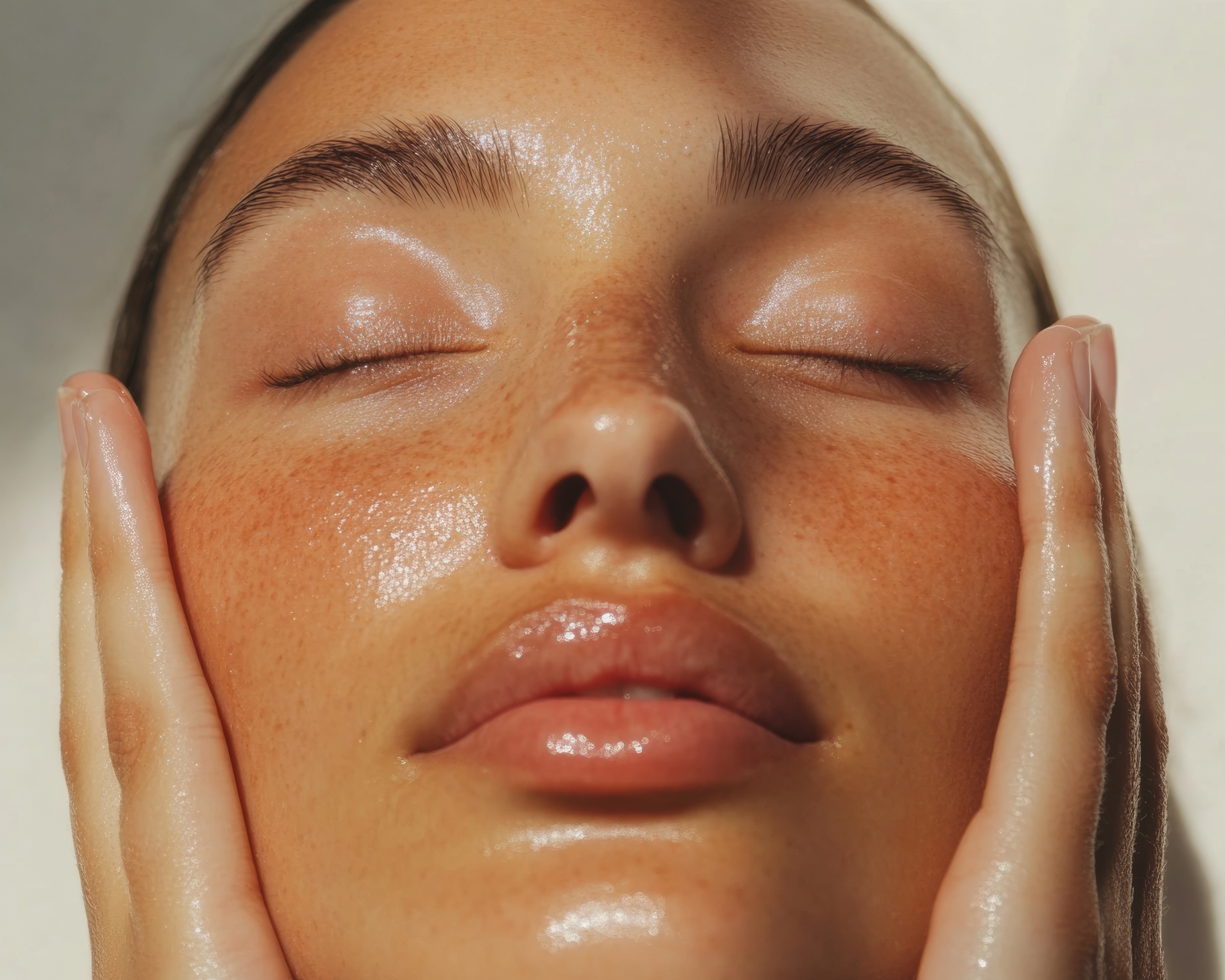
If you’ve spent any time scrolling through social media, chances are you’ve seen the term K-beauty. From “glass skin” to 10-step routines, Korean beauty has captured global attention and reshaped how people think about caring for their skin.
But for professionals, many of these ideas aren’t new, they’re simply packaged in a way that makes sense to clients who are just beginning their skin-care journey. K-beauty’s real impact isn’t in reinventing skin care, but in reintroducing it through an accessible, ritual-based lens.
What Does K-Beauty Mean?
“K-beauty”, short for Korean beauty, refers both to the skin care products and the underlying philosophy that originated in South Korea.
At its core, K-beauty is about prevention, hydration, and barrier protection. It focuses on maintaining long-term skin health rather than correcting problems after they arise. The goal is calm, luminous, well-hydrated skin, often described as “glass skin.”
Instead of harsh exfoliation or quick fixes, the K-beauty approach emphasizes gentleness, layering, and consistency. Think of it as caring for the skin like a living system that thrives with nourishment and patience.
Breaking Down the K-Beauty Routine
The famous “10-step routine” may sound like a marathon, but it’s better understood as a menu, a flexible sequence that can be customized to fit each skin’s needs.
A classic K-beauty routine might include:
Oil cleanser: to dissolve makeup and sunscreen
Water-based cleanser: to remove residue and impurities
Exfoliator: used sparingly for smooth texture
Toner: to balance pH and prep for hydration
Essence: a lightweight, nutrient-rich fluid for the barrier
Serum or ampoule: targeted actives like vitamin C or peptides
Sheet mask: occasional deep-hydration treatment
Eye cream: to hydrate delicate areas
Moisturizer: to seal in all previous layers
SPF: daily protection, the most essential step
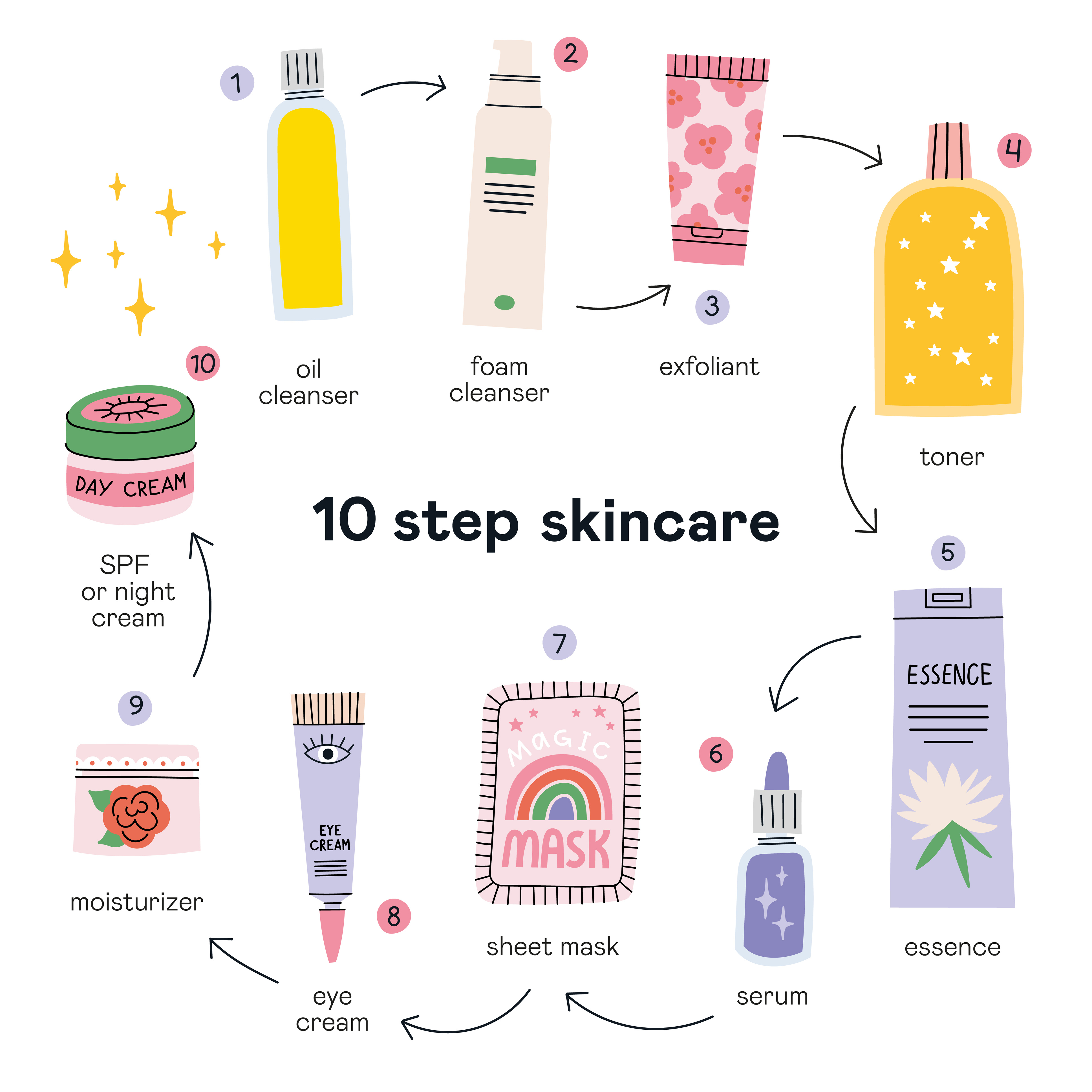
For many clients, K-beauty’s appeal lies in turning skin care into a ritual, one that feels soothing, mindful, and results-oriented. For professionals, it’s a familiar concept: step-by-step layering to support the barrier and optimize absorption.
Routine or Product: What Defines K-Beauty?
While certain products, like essences, ampoules, and sleeping masks, became K-beauty icons, the movement is defined more by its approach than its formulas.
The philosophy comes first: gentle cleansing, progressive hydration, and consistent protection. Professionals can easily adapt those same ideas using any product system. What matters is the order, intention, and balance of the routine, not where the bottle was made.
Is K-Beauty for Everyone?
In principle, yes. K-beauty’s focus on hydration and barrier health benefits most skin types. But every skin behaves differently, so customization is key.
Dry or sensitive skin: often thrives with the layered hydration and lipid support K-beauty promotes.
Oily or acne-prone skin: can benefit from gentle cleansing and light hydration, but too many occlusive layers may cause congestion.
Combination skin: usually does best with a pared-down version, maintaining the philosophy without the excess.
Like any routine, success depends on understanding the client’s skin condition, environment, and tolerance.
Why K-Beauty Made Such an Impact
K-beauty’s influence extends far beyond social media, it reshaped how people think about caring for their skin. Its real success lies in how it connected innovation, culture, and education to make consistent skin care feel exciting again.
The movement introduced the world to ideas we’ve always embraced in professional skin care:
Lightweight, layer-able textures that respect the skin barrier
Hydration as a foundation of everyday homecare routine
Daily consistency over quick fixes
Skin health as self-care, not perfection
The Professional Perspective
For professional skin therapists, K-beauty is a reminder that the principles we teach like prevention, protection, and consistency, resonate deeply when they’re communicated simply.
While trends come and go, the underlying message remains the same: skin health is a journey, not a single treatment.
The opportunity for professionals lies in helping clients interpret these global trends through a results-based, evidence-informed lens. Whether you’re using a 10-step routine or three targeted products, the goal is the same, calm, resilient, healthy skin.