Ingredients 101: Soothing & Anti-Inflammatory Agents, Calming Reactive Skin
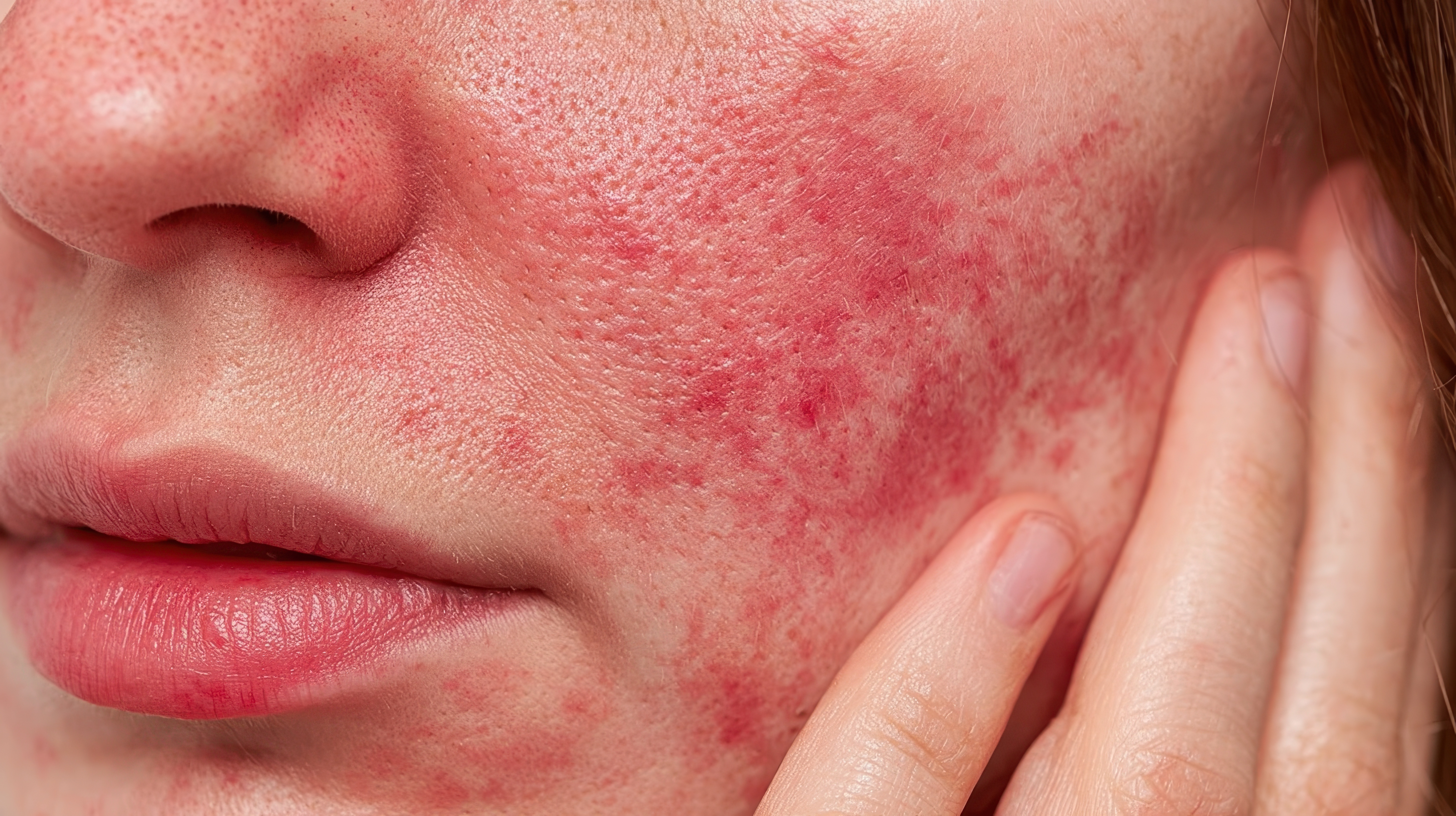
Inflamed, reactive, and sensitized skin isn't just uncomfortable, it's a barrier to achieving your other skincare goals. When skin is in a constant state of inflammation, it can't absorb actives effectively, heal properly, or maintain its protective function.
But here's the challenge: many "calming" products are just heavy moisturizers with minimal anti-inflammatory action. And some soothing ingredients come with their own risks, like essential oils that smell natural but trigger contact dermatitis.
The key is understanding which ingredients genuinely reduce inflammation at a cellular level, how to spot them on labels, and how to build a routine that calms without causing dependency or stagnation.
Why Inflammation Matters
Chronic low-grade inflammation accelerates aging, worsens hyperpigmentation, compromises the barrier, and triggers conditions like rosacea, eczema, and acne.
Common causes of skin inflammation:
Barrier damage (over-exfoliation, harsh products)
Environmental stressors (UV, pollution, extreme weather)
Skin conditions (rosacea, eczema, psoriasis, acne)
Allergic or irritant contact dermatitis
Internal factors (stress, diet, hormones)
Anti-inflammatory skincare works by:
Inhibiting inflammatory pathways (cytokines, prostaglandins)
Reducing redness and swelling
Supporting barrier repair
Neutralizing reactive oxygen species (ROS)
The Heavy Hitters: Clinically-Proven Anti-Inflammatory Actives
Niacinamide (Vitamin B3)
INCI name: Niacinamide
One of the most versatile and well-researched ingredients. It reduces inflammation by inhibiting the transfer of inflammatory mediators, strengthens the barrier, and regulates oil production.
Best for: Rosacea, acne, sensitive skin, barrier dysfunction
What to look for: Gentle enough for twice-daily use. Pairs well with almost everything.
Azelaic Acid
INCI name: Azelaic Acid
A multitasker that reduces inflammation, kills acne-causing bacteria, inhibits tyrosinase (brightening), and normalizes keratinization.
Best for: Rosacea, acne, post-inflammatory hyperpigmentation
What to look for: Can cause mild tingling initially.
Centella Asiatica (Cica)
INCI name: Centella Asiatica Extract
Contains active compounds (asiaticoside, madecassoside, asiatic acid, madecassic acid) that promote wound healing, stimulate collagen, and reduce inflammation.
Best for: Barrier repair, post-procedure, redness, irritation
Madecassoside
INCI name: Madecassoside
An isolated compound from Centella. More potent and targeted than the whole plant extract. Powerful anti-inflammatory and wound-healing agent.
Best for: Post-laser, severe sensitivity, reactive skin
What to look for: 0.1–1% in serums and recovery creams.
Panthenol (Pro-Vitamin B5)
INCI name: Panthenol
Converts to Pantothenic Acid in the skin. Hydrates, soothes, and accelerates wound healing. Reduces TEWL and supports barrier recovery.
Best for: Compromised barriers, post-exfoliation, dryness
Botanical Anti-Inflammatories
Allantoin
INCI name: Allantoin
Derived from comfrey root. Soothes irritation, promotes cell regeneration, and helps shed dead skin cells gently.
Best for: Sensitive skin, post-shaving irritation, minor wounds
Licorice Root Extract
INCI name: Glycyrrhiza Glabra (Licorice) Root Extract
Contains Glabridin and Glycyrrhizin, which inhibit tyrosinase and reduce inflammation. Especially effective for redness and pigmentation.
Best for: Rosacea, post-inflammatory hyperpigmentation, redness
What to look for: Often in brightening and calming serums.
Calendula (Marigold)
INCI name: Calendula Officinalis Flower Extract
Anti-inflammatory, antimicrobial, and wound-healing. Gentle enough for the most sensitive skin.
Best for: Eczema, dermatitis, dry/irritated skin
What to look for: Often in balms, oils, and post-procedure creams.
Chamomile
INCI names: Chamomilla Recutita (German Chamomile) Extract, Anthemis Nobilis (Roman Chamomile) Extract
Contains bisabolol and chamazulene, which have anti-inflammatory and antioxidant properties.
Best for: Sensitive, reactive skin
What to look for: Mid-to-high on ingredient list for meaningful benefit. Note: some people are allergic to chamomile (ragweed family).
Bisabolol
INCI name: Bisabolol
An isolated compound from chamomile. More stable and potent than whole chamomile extract. Reduces redness and irritation.
Best for: Post-procedure, sensitive skin, calming treatments
Green Tea Extract (Camellia Sinensis)
INCI name: Camellia Sinensis Leaf Extract
Rich in polyphenols (especially EGCG) that reduce inflammation, neutralize free radicals, and protect against UV damage.
Best for: Rosacea, environmental stress, photo-aging
What to look for: Often in antioxidant serums.
Oat Extract / Colloidal Oatmeal
INCI name: Avena Sativa (Oat) Kernel Extract, Colloidal Oatmeal
Contains beta-glucan and avenanthramides, which soothe inflammation, support the barrier, and relieve itching.
Best for: Eczema, atopic dermatitis, dry/itchy skin
What to look for: High on the list in calming cleansers, masks, and moisturizers.
Feverfew Extract
INCI name: Tanacetum Parthenium (Feverfew) Extract
Contains parthenolide, a potent anti-inflammatory. Reduces sensitivity and redness.
Best for: Sensitive skin, rosacea
Ginger Root Extract
INCI name: Zingiber Officinale (Ginger) Root Extract
Anti-inflammatory and antioxidant. Reduces redness and evens tone.
Best for: Inflammatory acne, redness
What to look for: Mid-list in targeted treatment products.
Turmeric / Curcumin
INCI name: Curcuma Longa (Turmeric) Root Extract, Curcumin
Powerful anti-inflammatory and antioxidant. Reduces redness and pigmentation.
Best for: Inflammatory conditions, pigmentation
What to know: Can temporarily stain skin yellow, formulations should be stabilized to avoid this.
Peptides with Anti-Inflammatory Properties
Palmitoyl Tripeptide-8 (Neutrazen)
INCI name: Palmitoyl Tripeptide-8
Specifically designed to reduce inflammation triggered by stress and environmental aggressors. Calms nerve-related sensitivity.
Best for: Reactive, stressed skin
Acetyl Tetrapeptide-15
INCI name: Acetyl Tetrapeptide-15
Reduces sensitivity and inflammatory responses. Improves skin's tolerance to irritants.
Best for: Hypersensitive skin
What to look for: Often combined with other calming actives.
Fatty Acids & Lipids
Linoleic Acid (Omega-6)
INCI name: Linoleic Acid
An essential fatty acid that reduces inflammation and supports barrier function. Deficiency is common in acne-prone and eczema-prone skin.
Best for: Inflammatory acne, compromised barriers
What to look for: Found naturally in sunflower, rosehip, and grapeseed oil.
Linolenic Acid (Omega-3)
INCI name: Linolenic Acid
Anti-inflammatory and supportive of barrier repair.
Best for: Eczema, inflammatory conditions
What to look for: Found in chia seed, flaxseed, and rosehip oil.
Antioxidants with Anti-Inflammatory Action
Resveratrol
INCI name: Resveratrol
Reduces inflammation, neutralizes free radicals, and may activate longevity genes.
Best for: Environmental stress, redness
Vitamin E (Tocopherol)
INCI name: Tocopherol
Protects lipids from oxidation and reduces inflammatory damage.
Best for: Barrier support, post-procedure
What to look for: Often paired with Vitamin C for enhanced antioxidant protection.
Ingredients to Approach with Caution
Not all "natural" or "soothing" ingredients are safe for sensitive skin. Some commonly included botanicals can actually increase inflammation:
Fragrance / Parfum
INCI name: Fragrance, Parfum
One of the top allergens in skincare. Can trigger inflammation and sensitivity.
What to know: Even "natural" fragrances can be irritating. Best avoided in anti-inflammatory formulas.
Witch Hazel (with alcohol)
INCI name: Hamamelis Virginiana (Witch Hazel) Extract
If extracted with alcohol (which is common), it can be very drying and irritating despite its anti-inflammatory tannins.
What to know: Look for alcohol-free versions if you want the benefits without the irritation.
Menthol, Camphor, Eucalyptus
INCI names: Menthol, Camphor, Eucalyptus Globulus Oil
Create a cooling sensation that feels soothing but can trigger irritation and inflammation.
What to know: Avoid in formulas for reactive skin.
Building a Calming Routine
For Acute Inflammation (Flare-Ups, Post-Procedure, Barrier Damage):
Morning:
Gentle, non-foaming cleanser or micellar water
Centella or madecassoside serum
Niacinamide serum or moisturizer
Mineral SPF (zinc oxide or titanium dioxide, less irritating than chemical filters)
Evening:
Oil cleanser or micellar water (no double cleanse if very inflamed)
Panthenol or allantoin serum
Barrier-repair cream with ceramides
Thin layer of occlusive (squalane, petrolatum) to seal
What to avoid:
All acids (AHAs, BHAs)
Retinoids
Vitamin C (if using L-Ascorbic Acid at low pH)
Hot water, physical exfoliation, facial massage
For Chronic Low-Grade Inflammation (Rosacea, Sensitivity, Reactive Skin):
Morning:
Gentle cleanser
Niacinamide acid serum (if tolerated)
Antioxidant serum (green tea, resveratrol)
Moisturizer with licorice root or feverfew
Mineral SPF
Evening:
Oil or cream cleanser
Centella or madecassoside serum
Niacinamide or azelaic acid
Barrier-repair moisturizer
Facial oil rich in linoleic acid (rosehip, sunflower)
Weekly:
Calming mask (oat, calendula, or bisabolol-based)
LED therapy (red or near-infrared light to reduce inflammation)
What to introduce slowly:
Gentle exfoliation (PHA or enzyme) once per week
Retinaldehyde (gentler retinoid) 1–2x per week if skin tolerates
Final Thought: Calming Doesn't Mean Compromising Results
Many people believe that sensitive skin means avoiding all actives and sticking to bland, basic routines. Not true.
The right anti-inflammatory ingredients, niacinamide, azelaic acid, Centella, panthenol, allow you to calm the skin while addressing concerns like pigmentation, texture, and aging. The key is strategic layering, slow introduction, and prioritizing barrier health alongside active treatment.
That's a wrap on the Ingredient Breakdown Series!
Over the past six weeks, we've covered:
✨ Hyperpigmentation Agents
💧 Hydration Powerhouses
🔄 Exfoliation Essentials
🛡️ Barrier Repair & Ceramides
⏳ Anti-Aging Actives
🌿 Soothing & Anti-Inflammatory Agents
You now have the foundation to read any ingredient label with confidence, build effective protocols for your clients, and separate marketing hype from real, results-driven skincare.
What's next? We'd love to hear what topics you'd like us to dive into next, drop your suggestions in the comments, and stay tuned for upcoming deep dives on professional treatment protocols, skin conditions, and advanced formulation science.