Ingredients 101 Hydration: The Three-Layer Strategy for Moisture That Actually Lasts
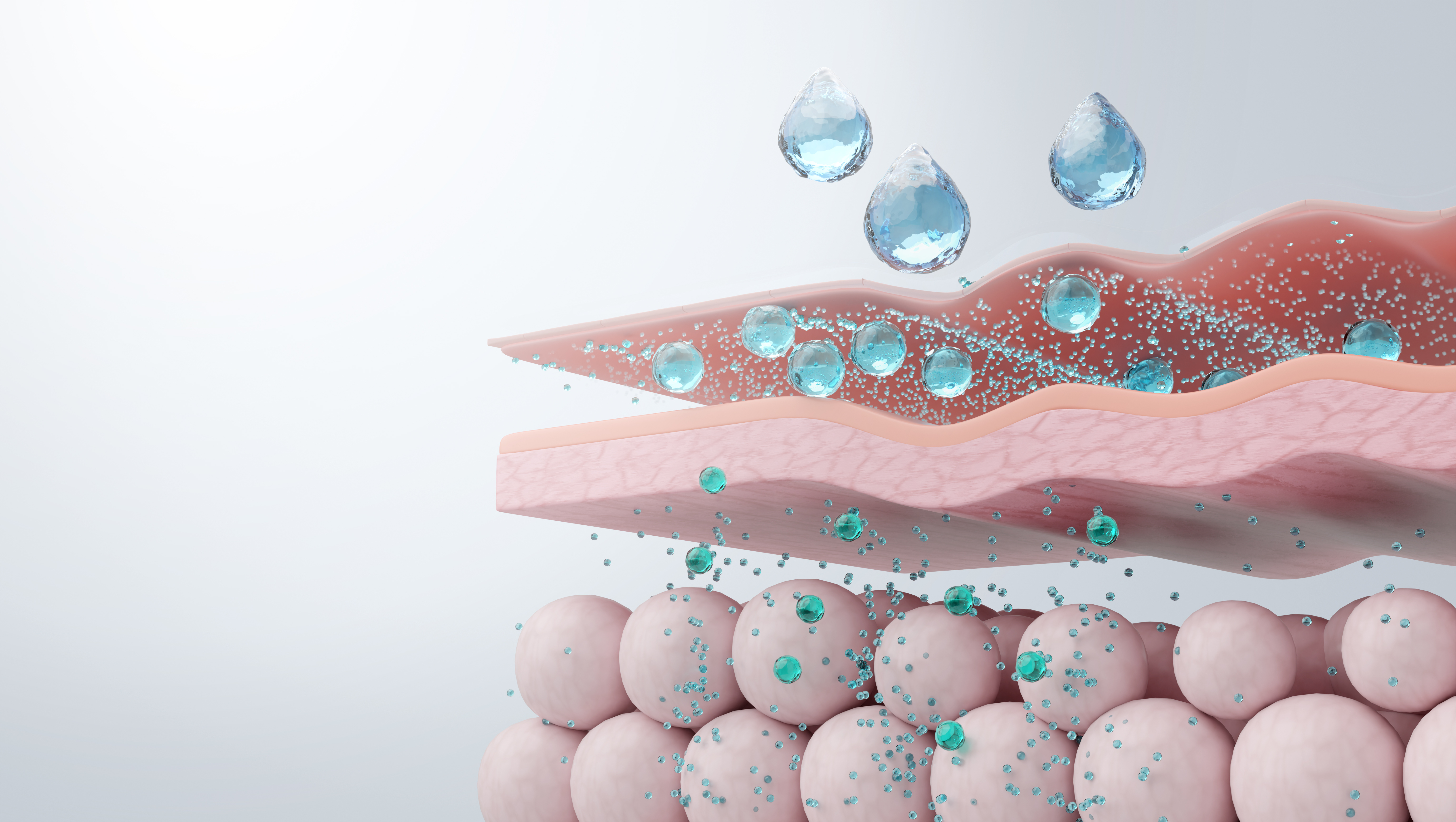
Hydration might seem simple: dry skin needs moisture, right? But here’s the catch, water evaporates. If your skin can’t hold onto it, you’re essentially pouring hydration down the drain.
That’s why smart hydration doesn’t rely on a single miracle ingredient. Instead, it focuses on three critical layers that work together to draw moisture in, keep it there, and help skin maintain hydration long-term.
This approach is especially important for dry (lipid-depleted) and dehydrated (water-deficient) skin conditions. Here’s how it works.
Note: This isn’t a complete list of every hydrating ingredient. Instead, it’s an introductory guide to help you read and understand product labels more confidently.
The Three Layers of Hydration
Humectants – Draw water into the skin
Emollients – Soften, smooth, and fill gaps in the barrier
Occlusives – Seal everything in and prevent water loss
Most products contain a mix of all three, but understanding which category dominates helps you choose the right product for your skin's current state.
Humectants: The Water Magnets
These ingredients bind to water molecules and pull them into the skin, either from the environment or from deeper layers of the dermis.
Hyaluronic Acid / Sodium Hyaluronate
INCI names: Hyaluronic Acid, Sodium Hyaluronate
The superstar humectant. Hyaluronic Acid can hold up to 1,000 times its weight in water. Sodium Hyaluronate is the salt form, it has a smaller molecular size, so it penetrates deeper.
What to look for: Multiple molecular weights in one formula (high, medium, and low) for surface hydration and deeper moisture retention. Look for 0.5–2% concentration.
Glycerin
INCI name: Glycerin (or Glycerol)
One of the most effective and affordable humectants available. It's gentle, non-irritating, and works across all skin types.
What to look for: Often appears in the top 5 ingredients. Effective at 3–5% but safe and beneficial up to 10%.
Panthenol (Pro-Vitamin B5)
INCI name: Panthenol
A humectant that also soothes and supports barrier repair. It converts to Pantothenic Acid (Vitamin B5) in the skin, helping with moisture retention and healing.
What to look for: 1–5% concentration. Common in calming and reparative formulas.
Urea
INCI name: Urea
A natural component of the skin's Natural Moisturizing Factor (NMF). It hydrates and gently exfoliates at higher concentrations.
What to look for: 2–5% for hydration; 10–40% in clinical formulas for keratosis pilaris or extreme dryness.
Propanediol
INCI name: Propanediol
A newer, plant-derived humectant that's less sticky than glycerin and helps other ingredients penetrate better.
What to look for: Often in the first 10 ingredients. Works well in lightweight serums.
Aloe Vera
INCI name: Aloe Barbadensis Leaf Juice
Hydrating and soothing with mild humectant properties. Best for calming irritated or sun-exposed skin.
What to look for: High on the ingredient list (top 5) to ensure meaningful concentration.
Lactobacillus Ferment
INCI name: Lactobacillus Ferment Lysate
A postbiotic derived from fermented probiotics. It helps reinforce the skin’s natural defenses while increasing moisture retention. By supporting the skin’s microbiome, it improves hydration and reduces sensitivity.
What to look for: Typically found in microbiome-friendly formulas or calming serums. Works well with other humectants to boost water content in the skin.
Emollients: The Smoothers and Softeners
Emollients fill in the cracks between skin cells, creating a smoother surface and preventing moisture loss. They give products their "slip" and luxurious feel.
Squalane
INCI name: Squalane
Derived from olives or sugarcane (or, historically, shark liver). It's lightweight, non-comedogenic, and mimics the skin's natural lipids.
What to look for: Works for all skin types, including oily. Often appears mid-list in serums or higher in oils.
Ceramides
INCI names: Ceramide NP, Ceramide AP, Ceramide EOP
Lipids that occur naturally in the skin's barrier. They help hold cells together and prevent water loss.
What to look for: A mix of ceramides (ideally Ceramide 1, 3, and 6-II) combined with cholesterol and fatty acids for optimal barrier support.
Shea Butter
INCI name: Butyrospermum Parkii (Shea) Butter
Rich in fatty acids and vitamins A and E. Deeply nourishing and ideal for dry or compromised skin.
What to look for: Higher on the list for richer creams, lower for lightweight lotions.
Caprylic/Capric Triglyceride
INCI name: Caprylic/Capric Triglyceride
A lightweight emollient derived from coconut oil. It helps other ingredients spread and absorb without leaving a greasy feel.
What to look for: Common in serums and lightweight moisturizers. Non-comedogenic.
Jojoba Oil
INCI name: Simmondsia Chinensis (Jojoba) Seed Oil
Technically a liquid wax ester that closely resembles sebum. Balancing for both dry and oily skin.
What to look for: Mid-to-top of the list in facial oils and balancing moisturizers.
Niacinamide
INCI name: Niacinamide
While primarily known for brightening and barrier repair, niacinamide also stimulates ceramide production, making it an indirect emollient.
What to look for: 2–5% in serums and moisturizers.
Ceramide Precursors / Ceramide Complex
INCI names: Phytosphingosine, Sphingolipids, Ceramide NP, Ceramide AP, Ceramide EOP
Some formulations go beyond topical ceramides to include precursors or complexes that encourage your skin to produce more of its own ceramides over time. These ingredients help reinforce the skin barrier from within by mimicking the natural ceramide synthesis process.
What to look for: Look for ceramide complexes that also include cholesterol and fatty acids, or ingredients like phytosphingosine and sphingolipids, which signal the skin to upregulate its own lipid production.
Occlusives: The Sealants
These ingredients create a physical barrier on the skin's surface to prevent transepidermal water loss (TEWL). They're the final step in locking everything in.
Petrolatum
INCI name: Petrolatum
The most occlusive ingredient available, it can reduce water loss by up to 99%. It's bland, non-irritating, and ideal for extremely dry or compromised skin.
What to look for: High on the list in healing ointments and barrier creams. Not ideal for acne-prone skin.
Dimethicone
INCI name: Dimethicone (or Cyclopentasiloxane, Cyclohexasiloxane)
A silicone that creates a breathable, protective film. It smooths texture and helps makeup go on flawlessly.
What to look for: Often in primers and lightweight moisturizers. Non-comedogenic despite misconceptions.
*Lanolin
INCI name: Lanolin
Derived from sheep's wool, it's highly emollient and occlusive. Excellent for dry skin but can be sensitizing for some.
What to look for: Common in lip balms and intensive repair creams.
*Beeswax
INCI name: Cera Alba (Beeswax)
A natural occlusive with mild emollient properties. It thickens formulas and provides light protection.
What to look for: Mid-to-end of the list in balms and thicker creams.
*Mineral Oil
INCI name: Paraffinum Liquidum (Mineral Oil)
Highly occlusive and non-comedogenic but it has a bad reputation. It prevents water loss without clogging pores.
What to look for: Often in body lotions and baby products. Safe for sensitive skin.
*Why IDI doesn’t use it: IDI doesn’t use lanolin, beeswax, or mineral oil because they can be heavy or sensitizing for some skin types, aren’t vegan-friendly, and we prefer modern, skin-compatible alternatives that support barrier health.
Layering for Maximum Hydration
The key to lasting moisture is layering all three categories in the right order:
Step 1: Humectant (on damp skin)
Apply a hyaluronic acid or glycerin-based serum while your skin is still slightly damp from cleansing. This maximizes water absorption.
Step 2: Emollient
Follow with a moisturizer rich in ceramides, squalane, or niacinamide to smooth and reinforce the barrier.
Step 3: Occlusive (optional)
For very dry skin or nighttime, seal everything with a product containing dimethicone, petrolatum, or a facial oil.
Next Week: Ingredients 101: Exfoliation Essentials 🔄
AHAs, BHAs, PHAs, and enzymes, how to choose the right exfoliant for every skin type and concern.