Ingredients 101 Exfoliation: Choosing the Right Acid (or Enzyme) for Every Skin Type
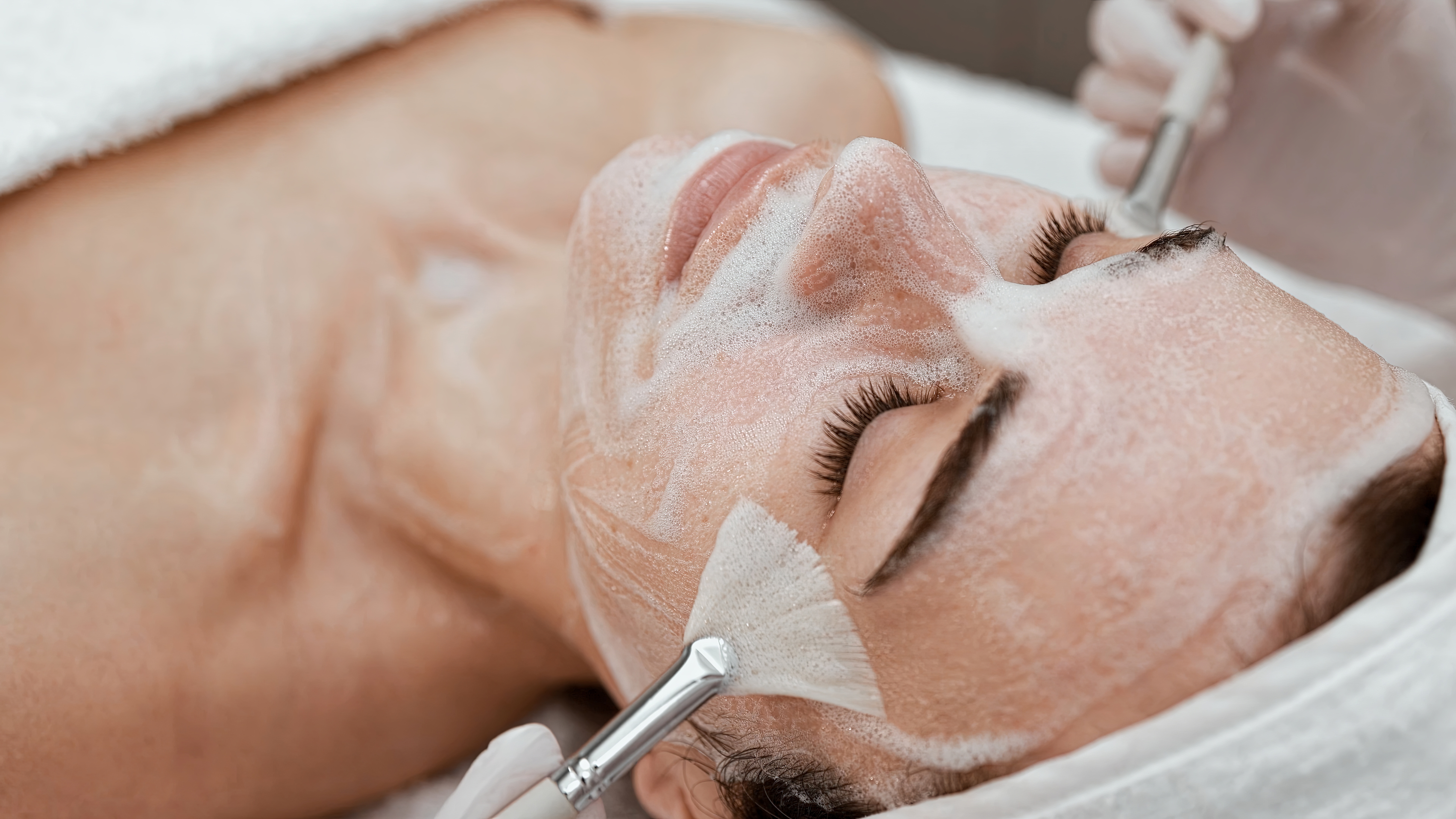
Exfoliation is one of the most transformative steps in any skincare routine, when done right. It clears congestion, smooths texture, fades pigmentation, and allows other products to penetrate more effectively.
But here's the catch: not all exfoliants work the same way. Some dissolve the bonds between dead cells. Others penetrate pores. Some are gentle enough for daily use, while others should be reserved for weekly treatments.
The key is understanding which type of exfoliant matches your skin's needs, and how to spot them on a label.
The Four Types of Chemical Exfoliants
Alpha Hydroxy Acids (AHAs) – Water-soluble, surface exfoliation
Beta Hydroxy Acids (BHAs) – Oil-soluble, penetrates pores
Polyhydroxy Acids (PHAs) – Gentle, larger molecules, hydrating
Enzymes – Protein-digesting, non-acidic exfoliation
Alpha Hydroxy Acids (AHAs): Brightening and Smoothing
AHAs work on the skin's surface by loosening the bonds between dead cells, revealing a smooth, brighter skin underneath. They're ideal for sun damage, dullness, fine lines, and hyperpigmentation.
Glycolic Acid
INCI name: Glycolic Acid
The smallest AHA molecule, which means it penetrates deeply and works quickly, but can also be the most irritating.
Best for: Normal to oily skin, anti-aging, pigmentation
What to look for: 5–10% for daily use; 20–30% for professional peels.
Lactic Acid
INCI name: Lactic Acid (or 2-Hydroxypropanoic Acid)
Larger molecule than glycolic acid, so it's gentler and more hydrating. It also helps strengthen the skin barrier.
Best for: Sensitive or dry skin, beginners, mild pigmentation
What to look for: 5–10% for at-home use; 30–50% for professional treatments.
Mandelic Acid
INCI name: Mandelic Acid
The largest AHA molecule, making it the gentlest option. It has antibacterial properties, so it's especially useful for acne-prone skin.
Best for: Sensitive skin, rosacea, darker skin tones (less risk of post-inflammatory hyperpigmentation)
What to look for: 5–10% concentration in serums and toners.
Citric Acid
INCI name: Citric Acid
Often used as a pH adjustor rather than a primary exfoliant, but it does have mild AHA properties.
Best for: Brightening, antioxidant support
What to look for: Usually appears mid-to-end of the ingredient list.
Malic Acid
INCI name: Malic Acid
Derived from apples. Gentler than glycolic but less researched. Often combined with other AHAs.
Best for: Combination skin, gentle exfoliation
What to look for: Typically blended with glycolic or lactic acid.
Tartaric Acid
INCI name: Tartaric Acid
Derived from grapes. Primarily used as an antioxidant and pH stabilizer, with mild exfoliating properties.
Best for: Antioxidant-rich formulas
What to look for: Usually paired with other AHAs.
Beta Hydroxy Acid (BHA): Deep Pore Exfoliation
Unlike AHAs, BHAs are oil-soluble, so they can penetrate sebum and exfoliate inside the pore. This makes them ideal for acne, blackheads, and oily skin.
Salicylic Acid
INCI name: Salicylic Acid
The gold standard BHA. It exfoliates, reduces inflammation, and has antimicrobial properties.
Best for: Oily, acne-prone, congested skin
What to look for: 0.5–2% for daily use (over-the-counter max is 2% in the US). Higher concentrations require professional application.
Betaine Salicylate
INCI name: Betaine Salicylate
A gentler derivative of salicylic acid. Less irritating but still effective for mild congestion.
Best for: Sensitive skin that needs pore clarification
What to look for: 1–4% concentration in cleansers and toners.
Polyhydroxy Acids (PHAs): Gentle Giants
PHAs are newer-generation exfoliants with larger molecular structures, meaning they don't penetrate as deeply. They're less irritating and have humectant properties, making them ideal for sensitive or compromised skin.
Gluconolactone
INCI name: Gluconolactone
A PHA with antioxidant and hydrating properties. It exfoliates gently without disrupting the barrier.
Best for: Sensitive, rosacea-prone, or barrier-compromised skin
What to look for: 4–10% in toners and serums.
Lactobionic Acid
INCI name: Lactobionic Acid
Another PHA with added antioxidant and chelating benefits (it binds to metal ions that can destabilize formulas).
Best for: Mature or sensitive skin
What to look for: Often combined with Gluconolactone at 5–10%.
Trichloroacetic Acid (TCA): Controlled, Deeper Exfoliation
INCI name: Trichloroacetic Acid
TCA is a well-established exfoliant used primarily in professional settings. It works by creating a controlled protein coagulation response in the skin, allowing for deeper resurfacing than typical AHAs. Because of its strength and predictability, it’s often used in layered or combination peels.
Best for: Advanced resurfacing, texture irregularities, visible pigmentation, or photoaged skin
What to look for: Most TCA treatments are professional only.
Enzymes: The Protein Dissolvers
Enzymes digest the keratin protein in dead skin cells, offering a non-acidic form of exfoliation. They're ideal for sensitive skin or for use in combination with acids.
Papain (Papaya Enzyme)
INCI name: Papain
Derived from papaya. Breaks down keratin without affecting the pH of your skin.
Best for: Sensitive skin, rosacea, post-procedure
What to look for: Often in masks and cleansers. Concentration isn't usually disclosed.
Bromelain (Pineapple Enzyme)
INCI name: Bromelain
Derived from pineapple. Similar to papain but can also have anti-inflammatory effects.
Best for: Dull, sensitive, or inflamed skin
What to look for: Common in enzyme masks and peels.
Pumpkin Enzyme (Cucurbita Pepo)
INCI name: Cucurbita Pepo (Pumpkin)
Contains natural fruit enzymes and vitamins. Gentle and nourishing.
Best for: All skin types, especially during fall (seasonally themed treatments)
What to look for: Listed as pumpkin extract or puree in masks.
How to Layer Exfoliants
Start slow: 1–2 times per week, then build up as tolerated
Don't mix acids in the same routine unless the product is specifically formulated to do so (e.g., a glycolic + salicylic toner)
Always follow with SPF during the day, exfoliants increase photosensitivity
Pair with hydration: Use a humectant serum and barrier-repair moisturizer after exfoliating
Skip retinoids on exfoliation nights unless your skin is highly resilient
Next Week: Ingredients 101: Barrier Repair & Ceramides 🛡️
Lipids, cholesterol, and fatty acids, what actually rebuilds compromised skin and why your barrier needs more than just moisture.