Ingredients 101 Targeting Hyperpigmentation: What Actually Works
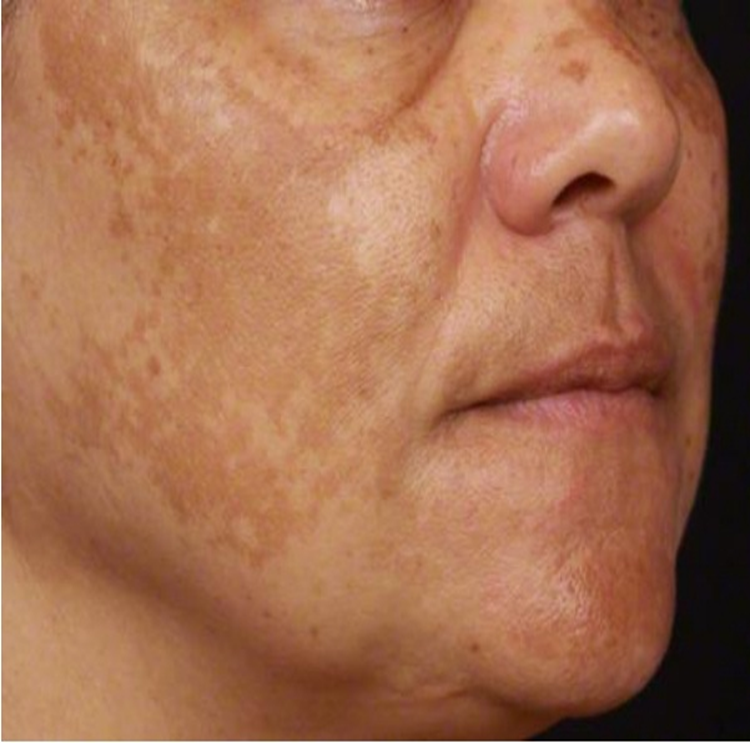
Hyperpigmentation is one of the most requested skin concerns and one of the most misunderstood. Between the vague marketing promises and the dozen different ingredients all claiming to "illuminate," it's easy to wonder: what actually works, and how do you know if a product delivers?
The truth is, not all brightening agents work the same way. Some block pigment production at the source. Others speed up cell turnover to fade what's already there. And some just... reflect light and call it a day.
Let's break down the real players, how they appear on labels, and what separates a results-driven formula from expensive window dressing.
The Three Pathways to a Brighter Even Tone Skin
Ingredients that target pigmentation work through one (or more) of these mechanisms:
Tyrosinase Inhibitors – Block the enzyme responsible for melanin production
Exfoliants – Accelerate cell turnover to fade existing pigmentation
Antioxidants – Neutralize free radicals and prevent new pigmentation from forming
The most effective products combine multiple pathways, addressing pigment at every stage of its lifecycle.
Tyrosinase Inhibitors: Stopping Pigment at the Source
These ingredients interfere with melanin synthesis, making them especially effective for hyperpigmentation, melasma, and post-inflammatory concerns.
Vitamin C (L-Ascorbic Acid)
INCI names: L-Ascorbic Acid, Ascorbic Acid, Ascorbyl Glucoside, Tetrahexyldecyl Ascorbate, Sodium Ascorbyl Phosphate
The gold standard. L-Ascorbic Acid is the most potent form, but it's also the most unstable. Look for stabilized derivatives (like Ascorbyl Glucoside or Tetrahexyldecyl Ascorbate) if you have sensitive skin or want a longer shelf life.
What to look for: Concentration matters. Effective formulas contain 10–20% L-Ascorbic Acid or 3–5% of the derivatives. Also check the pH, Vitamin C works best in formulas with a pH between 2.5–3.5.
Kojic Acid
INCI name: Kojic Acid
Derived from fungi, this is a powerful tyrosinase inhibitor often used in professional peels and treatments. It's effective but can be sensitizing at higher concentrations, so it's typically paired with soothing agents.
What to look for: 1–4% concentration. Often combined with other brighteners like Arbutin or Niacinamide for a synergistic effect.
Arbutin
INCI names: Alpha-Arbutin, Beta-Arbutin
A naturally occurring derivative of hydroquinone (but much gentler). Alpha-Arbutin is more stable and effective than Beta-Arbutin.
What to look for: 1–2% Alpha-Arbutin in serum formulations. It works well layered with Vitamin C and Niacinamide.
Hydroquinone
INCI name: Hydroquinone One of the most effective tyrosinase inhibitors available and often used in dermatology for stubborn hyperpigmentation and melasma. However, it comes with important considerations: hydroquinone is restricted or banned in several countries due to its potential to cause hypopigmentation and issues when overused without supervision. It has also been flagged for safety concerns in certain contexts, which is why it’s best used short-term and under professional guidance.
Why IDI doesn’t use it: because of its regulatory restrictions and risk profile, formulas rely instead on safer, well-studied brightening alternatives like vitamin C derivatives, niacinamide, and arbutin.
Tranexamic Acid
INCI name: Tranexamic Acid
Originally used to reduce bleeding, it's gained traction in dermatology for treating melasma and stubborn hyperpigmentation. It works by blocking the pathways that trigger melanin production.
What to look for: 2–5% concentration. Often paired with Niacinamide for enhanced results.
Azelaic Acid
INCI name: Azelaic Acid
A multitasker that inhibits tyrosinase, reduces inflammation, and has antimicrobial properties, making it ideal for post-acne marks and rosacea-related discoloration.
What to look for: 10–20% in professional or prescription formulas; 5–10% in over-the-counter products.
Exfoliants: Fading What's Already There
Chemical exfoliants accelerate cell turnover, helping to shed pigmented cells faster and reveal brighter skin underneath.
Alpha Hydroxy Acids (AHAs)
INCI names: Glycolic Acid, Lactic Acid (2-Hydroxypropanoic Acid), Mandelic Acid
Glycolic Acid penetrates deeply due to its small molecular size, making it highly effective but potentially irritating. Lactic Acid is gentler and hydrating. Mandelic Acid has a larger molecule, making it ideal for sensitive or darker skin tones.
What to look for: 5–10% for daily use; 20–30% for professional treatments.
Beta Hydroxy Acid (BHA)
INCI name: Salicylic Acid
Oil-soluble, so it penetrates pores, making it especially useful for brightening acne-prone skin with post-inflammatory hyperpigmentation.
What to look for: 0.5–2% for daily use.
Retinoids
INCI names: Retinol, Retinyl Palmitate, Retinaldehyde, Adapalene (prescription)
By speeding up cell turnover and inhibiting melanin transfer, retinoids are one of the most effective long-term solutions for pigmentation.
What to look for: Start with 0.25–0.5% Retinol and work up. Encapsulated or time-release formulas reduce irritation.
Antioxidants: Prevention and Protection
These ingredients neutralize free radicals that trigger pigmentation and inflammation, essentially preventing damage before it starts.
Niacinamide (Vitamin B3)
INCI name: Niacinamide
A true multitasker. It inhibits melanosome transfer (the process that moves pigment to skin cells), reduces inflammation, and strengthens the barrier.
What to look for: 2–5% concentration. Stable, well-tolerated, and plays well with almost everything.
Vitamin E
INCI names: Tocopherol, Tocopheryl Acetate
Often paired with Vitamin C to boost stability and antioxidant power. Alone, it's more about protection than correction.
What to look for: Mid-to-end of the ingredient list, often in combination formulas.
Licorice Root Extract
INCI name: Glycyrrhiza Glabra (Licorice) Root Extract
Contains Glabridin, which inhibits tyrosinase and has anti-inflammatory properties. Gentle and suitable for sensitive skin.
What to look for: 0.5–2% concentration, especially in calming or redness-reducing formulas.
Building a Routine
The most effective approach layers multiple mechanisms:
Morning:
Vitamin C serum (tyrosinase inhibitor + antioxidant)
Niacinamide moisturizer (prevents pigment transfer)
SPF 30+ (non-negotiable—sun exposure undoes everything)
Evening:
AHA or retinoid (exfoliation + cell turnover)
Tranexamic Acid or Azelaic Acid (targeted pigment control)
Barrier-supportive moisturizer
Professional:
Chemical peels with Glycolic, Lactic, or Mandelic Acid
Kojic Acid or Arbutin-based treatments
LED therapy to support cellular regeneration
Next Week: Ingredients 101: Hydration Powerhouses 💧
We'll break down the difference between humectants, emollients, and occlusives, and how to build a hydration strategy that actually lasts.