Hormones and Skin Health: Hormone Therapy Transitions and Stress
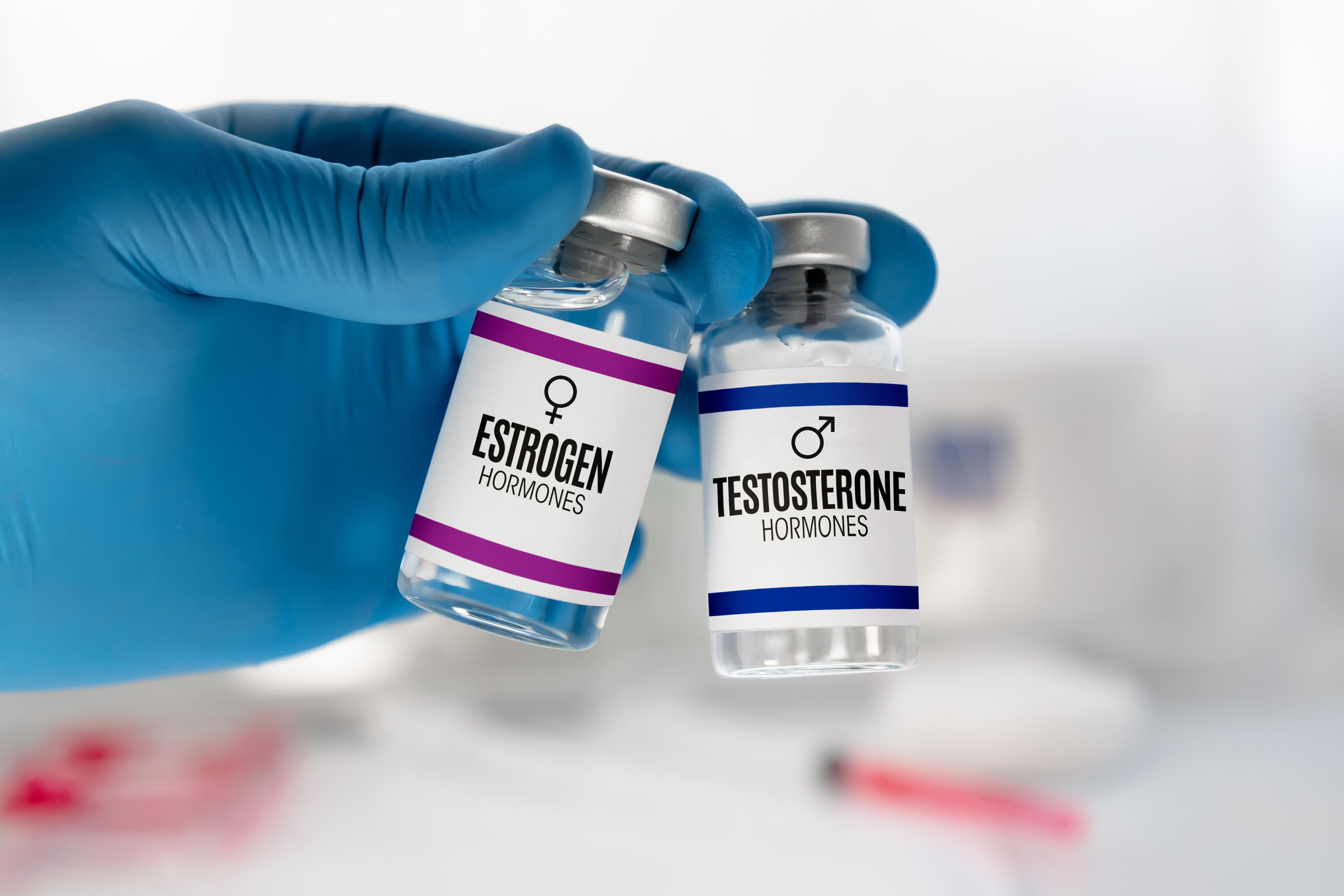
Hormonal influence on the skin is not only shaped by natural biological cycles or hormone therapy itself, but also by what happens when those hormonal treatments change.
For individuals who pause or discontinue hormone therapy, the skin may undergo a transitional period as the body adjusts to new hormonal balances. These changes can affect oil production, hydration, collagen levels, and pigmentation patterns. At the same time, external factors such as stress can further influence hormonal activity and skin behavior.
In the final part of this series, we explore how pausing hormone therapy and stress-related hormonal changes can impact skin stability, and why compassionate consultation remains essential during these periods of transition.
Discontinuing or Pausing Hormone Therapy
Some individuals may choose to pause or discontinue hormone therapy for various reasons, including medical considerations, personal choice, fertility planning, or as part of their gender journey. Understanding the skin changes that may occur during this transition can help provide appropriate support.
Discontinuing Testosterone Therapy
When testosterone therapy is stopped or paused, skin changes typically reverse gradually over several months:
Sebum production will decrease, often reducing acne breakouts, though some individuals may experience a temporary flare as hormone levels fluctuate
Skin may become drier and require adjusted hydration strategies
Body and facial hair growth will slow, though existing terminal hair will not revert to vellus hair without additional treatments
Skin density may gradually decrease as collagen production shifts
Discontinuing Oestrogen Therapy
Pausing or stopping oestrogen therapy may result in:
Gradual increase in sebum production, potentially leading to oilier skin or breakouts
Reduction in hyperpigmentation over time, though existing melasma may persist and require targeted treatment
Changes in skin hydration levels and barrier function
Potential changes in skin texture and density
Individual responses to stopping hormone therapy vary considerably. Some clients may experience a transitional period of hormonal fluctuation that temporarily affects skin stability. Compassionate consultation during this time is essential, with flexible skin care protocols that can adapt to changing needs. Clients should be encouraged to maintain open communication about their journey and any skin concerns that arise.
Stress hormones
Chronic stress increases levels of stress-related hormones, such as corticotrophin-releasing hormone (CRH), cortisol and adrenal androgens, which send sebaceous glands into overdrive. This leads to excess sebum, leading to breakouts. High cortisol levels can even decrease the skin’s ability to retain water causing it to look dull and feel dehydrated. Dehydrated skin has poor barrier function which may increase sensitivity.
Research suggests that stress-induced release of neuroactive substances within the epidermis can activate inflammatory processes in the skin. Recently, Substance P, a neuropeptide elicited from peripheral nerves by stress, was shown to stimulate the proliferation of sebocytes and increase lipid synthesis in sebaceous cells.
Psychological stress can also slow wound healing by up to 40%, which could be a factor in slowing the repair of acne lesions.
With hormones responsible for such a wide range of direct and indirect effects on the skin, it is vital to take note of the life stage, lifestyle and medical factors that affect hormone levels. Considered and compassionate consultation is the key to supporting all clients in their journey to greater skin confidence.
Hormones influence the skin in complex and deeply individual ways. From naturally occurring hormonal shifts to medical therapies and lifestyle factors such as stress, the skin continuously responds to signals from within the body.
For skin professionals, understanding these hormonal influences allows for more thoughtful consultations, realistic treatment planning, and compassionate support for clients navigating hormonal changes. By recognizing the broader biological context behind skin behavior, practitioners can better adapt skin care strategies to meet clients wherever they are in their journey.