Electrotherapy for the Skin: Old School to High Tech
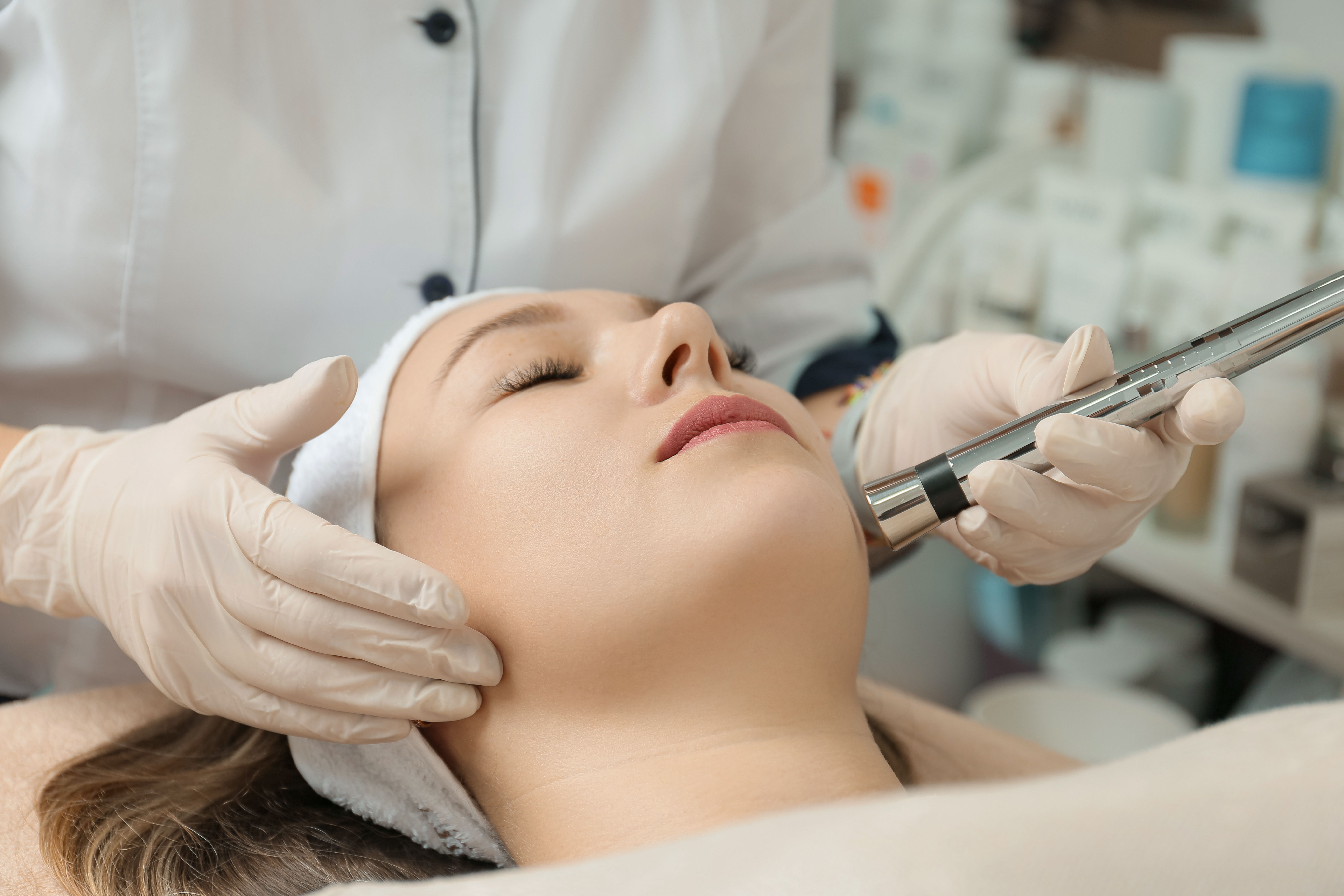
Electricity and skincare may seem like an unlikely pairing, but electrotherapy has been shaping treatments for well over a century. What started with simple tools designed to stimulate circulation or help products absorb has now evolved into advanced devices capable of remodeling collagen, lifting tissue, and accelerating cellular renewal.
Let’s trace the journey, from the earliest galvanic tools to today’s sophisticated energy-based devices.
The Early Pioneers: Galvanic Current and High Frequency
Galvanic Current
First introduced into professional treatments the early 1900s, galvanic current applies a direct, continuous current to the skin. In skincare, it became known for two main applications:
Desincrustation: The negative pole creates an alkaline reaction that softens sebum and keratin in the pores, making extractions easier.
Iontophoresis: The positive pole helps drive water-soluble, charged ingredients (like vitamin C or hyaluronic acid) deeper into the skin, enhancing efficacy.
For decades, galvanic was a cornerstone in electrotherapy of professional treatments, a way to “supercharge” both cleansing and nourishment. While it had its place historically, we now know it’s time to retire this tool. Galvanic belongs in the history books rather than the modern treatment room.
High Frequency
Introduced in the early 1900s, high frequency uses an alternating current delivered through glass electrodes filled with gas (typically neon or argon). When applied to the skin, it creates a mild warmth and a subtle ozone effect. Benefits included:
Antibacterial action, especially useful in acne-prone skin.
Stimulated blood flow and lymphatic drainage.
A soothing effect on inflammation and post-extraction skin.
Many professional skin therapist still keep a high-frequency wand handy because it’s gentle, versatile, and time-tested.
The Mid-Century Evolution: Expanding Modalities
As technology advanced through the mid-20th century, new forms of energy joined the esthetic toolbox:
Microcurrent: Emerging in the 1970s, microcurrent delivers low-level electrical impulses that mimic the body’s own bioelectric signals. Often called a “non-surgical facelift,” it works by stimulating facial muscles, enhancing ATP (cellular energy), and improving tone and lift.
Ultrasound (Low-Intensity): Initially developed for medical imaging, ultrasound found its way into skincare as a method of enhancing penetration of serums and stimulating cellular activity through gentle sound waves.
These tools represented a shift: not just cleansing or soothing but actively retraining and rejuvenating the skin.
The Modern Era: High-Tech Energy Devices
Today, electrotherapy is at the forefront of advanced treatments. Devices now combine multiple energies, target deeper structures, and offer results once reserved for medical settings.
Radiofrequency (RF)
Works by delivering controlled heat to the dermis, stimulating collagen and elastin production.
RF microneedling adds tiny punctures to deliver energy deeper and trigger a wound-healing response.
Benefits: skin tightening, scar reduction, and improvement in texture.
High-Intensity Focused Ultrasound (HIFU)
Uses focused sound waves to target the SMAS layer (the same layer lifted in surgical facelifts).
Stimulates collagen remodeling for lifting and firming with no incisions.
Often marketed as a “non-surgical facelift” option.
Plasma Devices
Plasma energy creates a small arc just above the skin, producing controlled micro-injuries without direct contact.
Benefits: tightening of lax skin, improved texture, and stimulation of fibroblasts.
Particularly popular for delicate areas like the eyelids where lasers may be too aggressive.
Hybrid & Combination Systems
Many modern devices now blend modalities — for example, RF + ultrasound, or microneedling + RF + LED.
The goal: maximize results while minimizing downtime by addressing multiple layers of the skin in a single treatment.
Safety and Considerations
As devices become more powerful, safety and training are even more important. Considerations include:
Skin tone: Higher Fitzpatrick types require careful settings to avoid post-inflammatory hyperpigmentation.
Contraindications: Pregnancy, pacemakers, uncontrolled diabetes, or certain medications can rule out specific modalities.
Professional Scope: Some advanced devices are strictly medical, while others are available for licensed professional skin therapists, making knowledge of regulations crucial.
Why This Matters for Professionals Today
Electrotherapy shows us how innovation in skin care builds upon tradition. From the galvanic machines of the early esthetics pioneers to today’s plasma pens and RF microneedling, one principle remains: harnessing controlled energy to create measurable change in the skin.
Understanding both the history and the science empowers professionals to choose the right modality, educate clients with confidence, and deliver results that are safe, effective, and future-focused.
✨ Takeaway: Electrotherapy has always been about transformation. What began as gentle sparks and tingles has become a toolkit of high-tech solutions that push the boundaries of what’s possible in skin health.