Eczema Support in the Treatment Room
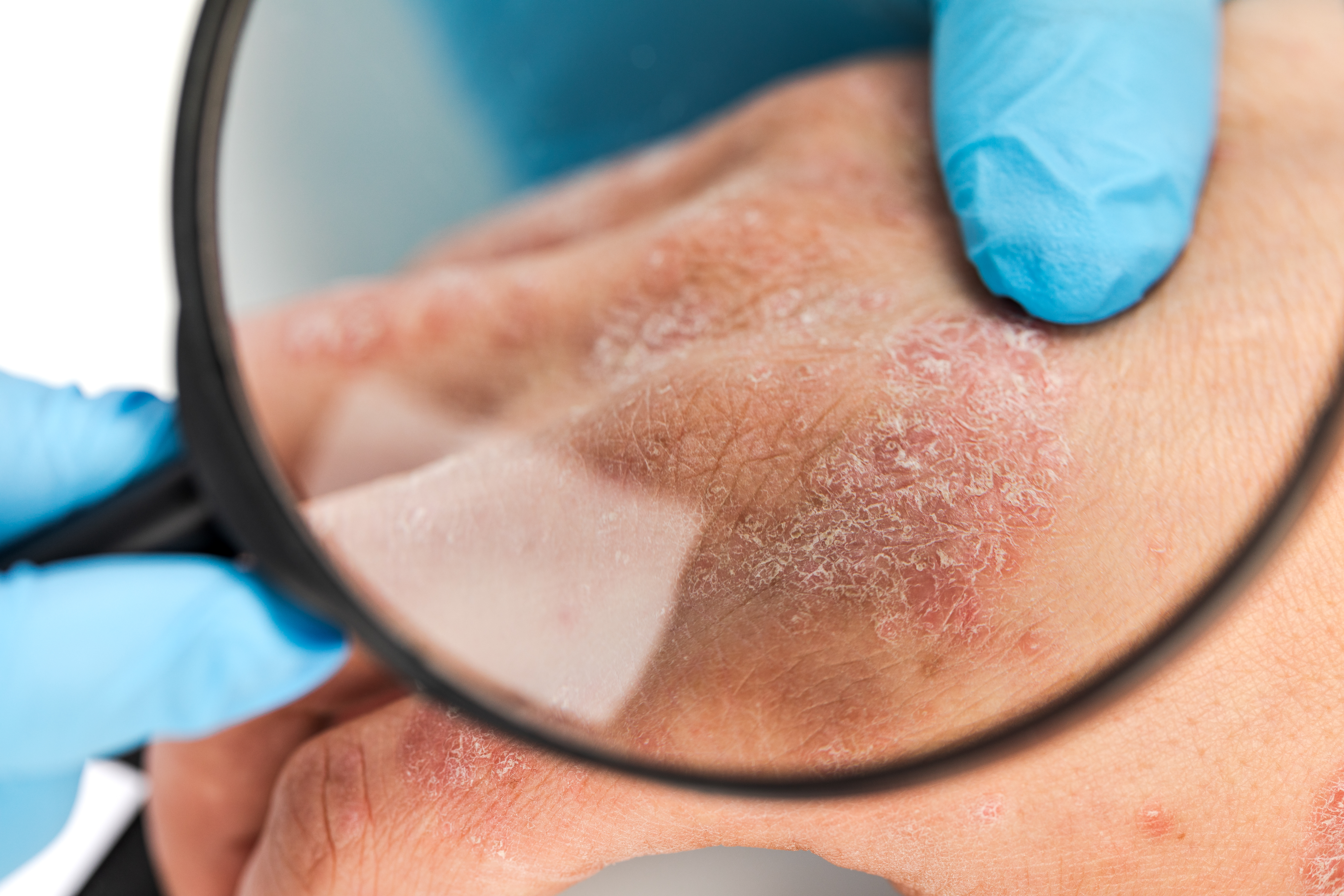
Eczema, or atopic dermatitis, is one of the most common inflammatory skin conditions worldwide. As Professional Skin Therapists, we often meet clients struggling with discomfort, self-consciousness, and frustration from ongoing flare-ups. While eczema is ultimately a medical condition best managed in partnership with a dermatologist, we play an important role in supporting skin health, comfort, and confidence in the treatment room.
What Is Eczema
In healthy skin, the outermost layer, the stratum corneum, is fortified with lipids (ceramides, cholesterol, fatty acids) that keep moisture in and external irritants out. In eczema-prone skin, this lipid balance is disrupted, resulting in increased transepidermal water loss (TEWL) and a weakened acid mantle. The result is skin that is often visibly dry, rough in texture, and highly reactive to environmental and topical stimuli.
Clinically, eczema presents with hallmark features such as persistent itching and heightened sensitivity, which clients frequently describe as the most distressing symptom. During flare-ups, the skin becomes inflamed and erythematous (red), sometimes progressing to oozing or crusting lesions if the barrier breakdown is severe. Over time, chronic scratching and rubbing can cause lichenification, which is thickened, leathery patches of skin that further compromise barrier integrity. This cycle of dryness, itching, and inflammation illustrates the central challenge of eczema: once the barrier is impaired, the skin becomes caught in a pattern of ongoing reactivity
Causes and Triggers
Eczema is multifactorial, influenced by genetics, immune response, and environment. Many individuals have mutations in the filaggrin gene, which weakens the skin’s barrier and leaves it vulnerable to irritants and microbes. The immune system also plays a role, with an overactive Th2 response driving chronic inflammation. Triggers that worsen symptoms include harsh cleansers, fragrances, seasonal changes, allergens like pollen or dust, irritating fabrics, sweating, and even stress, which can intensify the itch-scratch cycle.
In the Treatment Room: What’s in Scope
While we don’t diagnose or prescribe, we do have effective strategies to support eczema-prone skin:
1. Careful Consultation
Ask about their history, triggers, current medications, and dermatologist care.
Note any areas of broken skin, infection, or severe flare-up that may need referral.
2. Gentle Cleansing
Use mild, non-foaming cleansers that respect the skin’s natural pH.
Avoid aggressive cleansing, scrubs, or chemical exfoliants.
3. Barrier Repair + Hydration
Apply emollient and occlusive ingredients that replenish skin lipids (ceramides, fatty acids, squalane).
Layer hydrating humectants (hyaluronic acid, glycerin) to restore moisture balance.
4. Calming + Soothing Treatments
Cooling gel masks, colloidal oatmeal, aloe, or other anti-inflammatory actives.
Modalities like cold globes or cool compresses to calm irritation.
Light touch massage focused on relaxation (not on compromised skin areas).
5. Education for Home Care
Recommend fragrance-free, barrier-supportive cleansers and moisturizers.
Encourage patch-testing new products.
Remind clients about stress management, sleep, and lifestyle triggers.
When to Refer
Our role is supportive, but there are clear situations where referral is essential. Encourage clients to see a dermatologist if you observe:
Open, weeping, or infected lesions
Severe or worsening flare-ups
Extensive rashes unresponsive to gentle care
Signs of secondary infection (yellow crusts, spreading redness, pus)
A request for prescription treatment (steroids, immunomodulators, biologics)
The Bottom Line
Eczema is not something we can “fix” in one session, but we can help clients manage it. Our treatment room becomes a space for gentle care, barrier repair, and stress relief. By combining evidence-based product choices with empathetic client education, and knowing when to refer, we help clients feel both supported and empowered in their skin health journey.
✨ Key takeaway: In eczema care, less is more. Think soothe, hydrate, protect, and always collaborate with medical providers when needed.
Using this knowledge, the International Dermal Institute researched a developed a moisture designed to strengthen, soothe and repair. Stabilizing Repair Cream