Beef Tallow in Skin Care: Fact, Fad or Future?
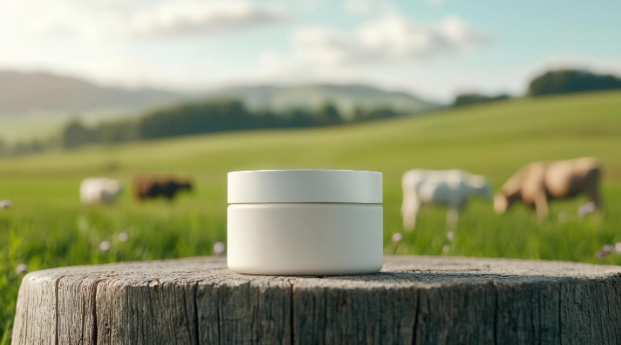
It seems every few months, a new “miracle” skin care trend emerges on social media, and right now, it’s beef tallow. Promoted as a natural moisturizer and “ancestral beauty secret,” beef tallow has gone viral as a skin care product. But what does the science say, and what should Professional Skin Therapists know when clients come asking?
What Is Beef Tallow?
Beef tallow is rendered fat from cows, typically derived from suet around the kidneys and loins. Historically, it was used in soapmaking and even as a base for early skin balms before modern emulsifiers and oils became readily available. Today’s revival of beef tallow is part of a wider “back to basics” and “ancestral living” movement that emphasizes animal-based nutrition and topical remedies.
The Claimed Benefits
Fans of tallow skin care claim it is:
Rich in fatty acids such as palmitic, stearic, and oleic acid, which can mimic some of the skin’s natural lipid barrier.
Vitamin-rich, containing fat-soluble vitamins A, D, E, and K.
Anti-inflammatory, due to its lipid profile, which some compare to human sebum.
Moisturizing, especially for dry, compromised, or mature skin.
These properties may sound appealing, and on a surface level, beef tallow does share some similarities with the lipids naturally found in skin.
The Concerns PSTs Should Know
While tallow can technically function as an occlusive and emollient, there are important considerations:
Comedogenicity – Beef tallow is heavy and waxy, which means it can easily clog pores, especially in acne-prone or oily skin.
Stability & Safety – Unlike refined plant oils, tallow is animal fat and can oxidize or go rancid if not stored properly. Microbial contamination is a risk without preservatives.
Ethical & Sensory Factors – Clients following plant-based lifestyles may reject animal-derived products. Others may find the texture, odor, or sourcing unappealing.
Lack of Research – While fatty acid content is known, there are limited clinical studies evaluating tallow as a safe and effective skin care ingredient compared to well-researched botanical oils like jojoba, squalane, or shea butter.
Professional Perspective
As Professional Skin Therapists, it’s important to recognize that clients are increasingly influenced by social media health trends. Some may genuinely see benefits from beef tallow, particularly those with very dry, non-acneic skin types. However, PSTs should guide clients with evidence-based recommendations:
Barrier repair can be achieved with clinically tested, stable ingredients such as ceramides, squalane, or oat-derived lipids.
Moisturization does not require animal fat; numerous plant oils mimic sebum with better safety and stability.
Vitamin support is best delivered via bioavailable, controlled formulations rather than raw fat.
The Bottom Line
Beef tallow represents an interesting convergence of traditional remedies and modern wellness trends. However, without controlled studies or standardized refinement, it remains more of a historical curiosity than a clinically validated skin care solution. Professional Skin Therapists can use this conversation as an opportunity to highlight the importance of evidence-based formulations that prioritize both skin health and long-term results.
The International Dermal Institute does not formulate products with animal-derived ingredients.