Acid Families Decoded- AHA, BHA, PHA and How They Behave
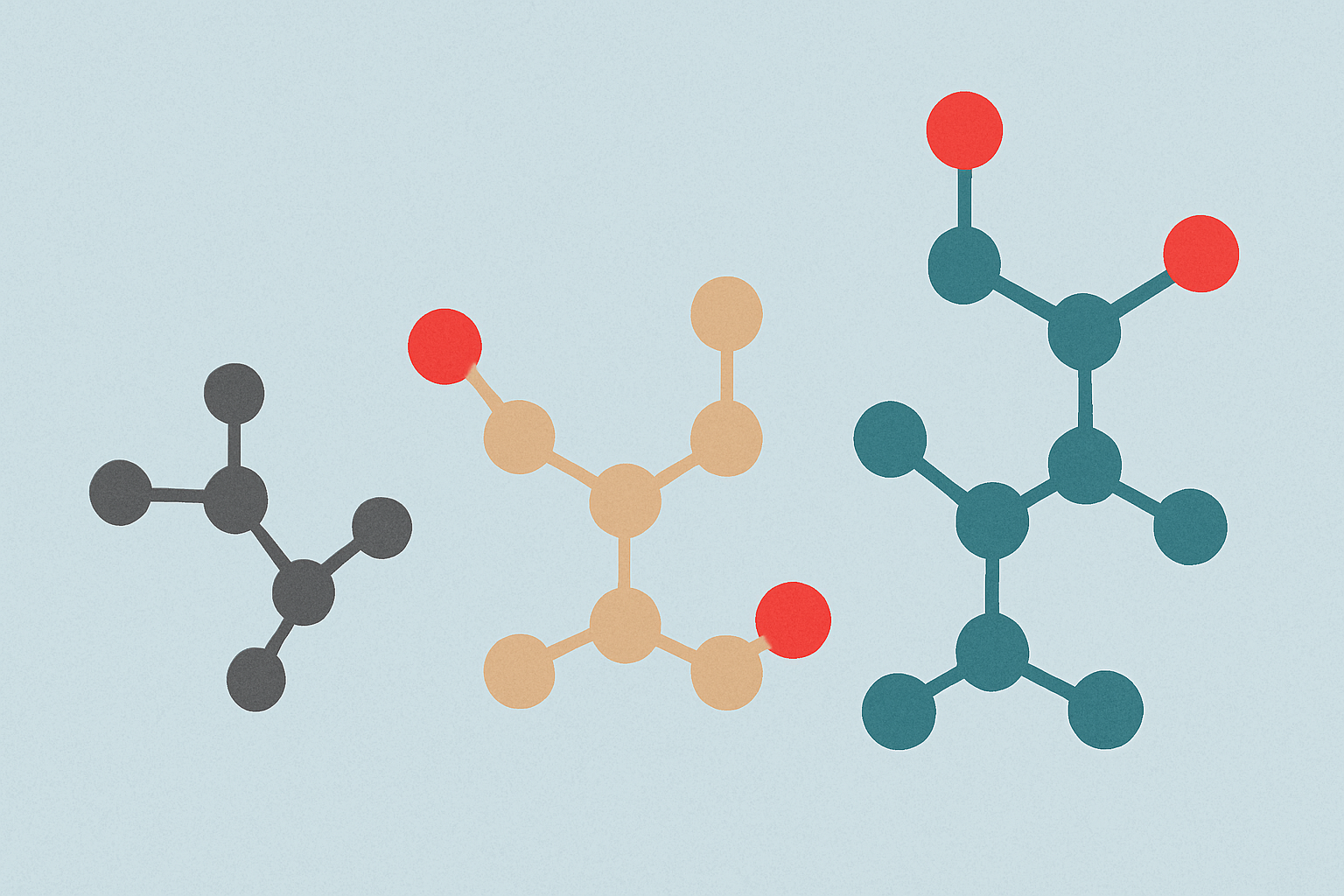
Acids have become a cornerstone of modern skin care, but not all acids work in the same way. Their structure determines how they interact with the skin, and that’s what makes the difference between a peel that resurfaces, one that clears congestion, or one that gently supports barrier health. Understanding these families — AHAs, BHAs, and PHAs — helps us move beyond “exfoliation” as a blanket concept and into precise, results-driven treatments.
Alpha Hydroxy Acids, or AHAs, are the most widely recognized. Because they are water-soluble, they stay on the skin’s surface and excel at loosening the bonds between dead skin cells. The result is smoother texture, brighter tone, and improved hydration. Glycolic, lactic, and mandelic acid are common examples, each offering slightly different strengths. Clients experiencing dullness, dehydration, or uneven tone often see the most dramatic changes when AHAs are introduced into their treatments.
Beta Hydroxy Acid, or BHA, behaves quite differently. Unlike AHAs, it is oil-soluble, which means it can move past the skin’s lipid barrier and work within the pores. This makes it particularly effective for managing congestion, excess oil, and breakouts. Salicylic acid is the most common BHA and has the added benefit of being anti-inflammatory. For clients struggling with blackheads, whiteheads, or inflamed breakouts, BHA offers a targeted approach without excessive disruption to surrounding tissue.
Polyhydroxy Acids, or PHAs, round out the trio. These molecules are larger in size, which means they absorb more slowly and tend to be gentler on the skin. PHAs exfoliate while simultaneously drawing in moisture and strengthening barrier function. Ingredients like gluconolactone and lactobionic acid are especially useful for clients who are sensitive, reactive, or dealing with compromised skin. They offer the benefits of exfoliation without the irritation that some other acids can cause, making them a versatile tool in the treatment room.
When it comes to professional treatments like a micropeel, understanding the nuances of each acid family is what allows us to customize. An AHA might be chosen to brighten and smooth, while a BHA can be introduced to refine pores and manage oil, and PHAs can support exfoliation even in sensitive skin conditions. In practice, many treatments combine these families to achieve a synergistic effect that balances results with skin health.
As we prepare for our upcoming IDI Live: Micropeel Decoded, we’ll take this conversation further, exploring how to work with these acid families in real-world scenarios, how to layer them safely, and how to select the best approach for each client.